JOURNAL · 24/07/2026
How to Start a Podcast in Da Nang (2026 Guide)
A practical guide to starting a podcast in Da Nang in 2026: your show idea, the gear that matters, home vs studio recording, and how to batch and publish episodes.

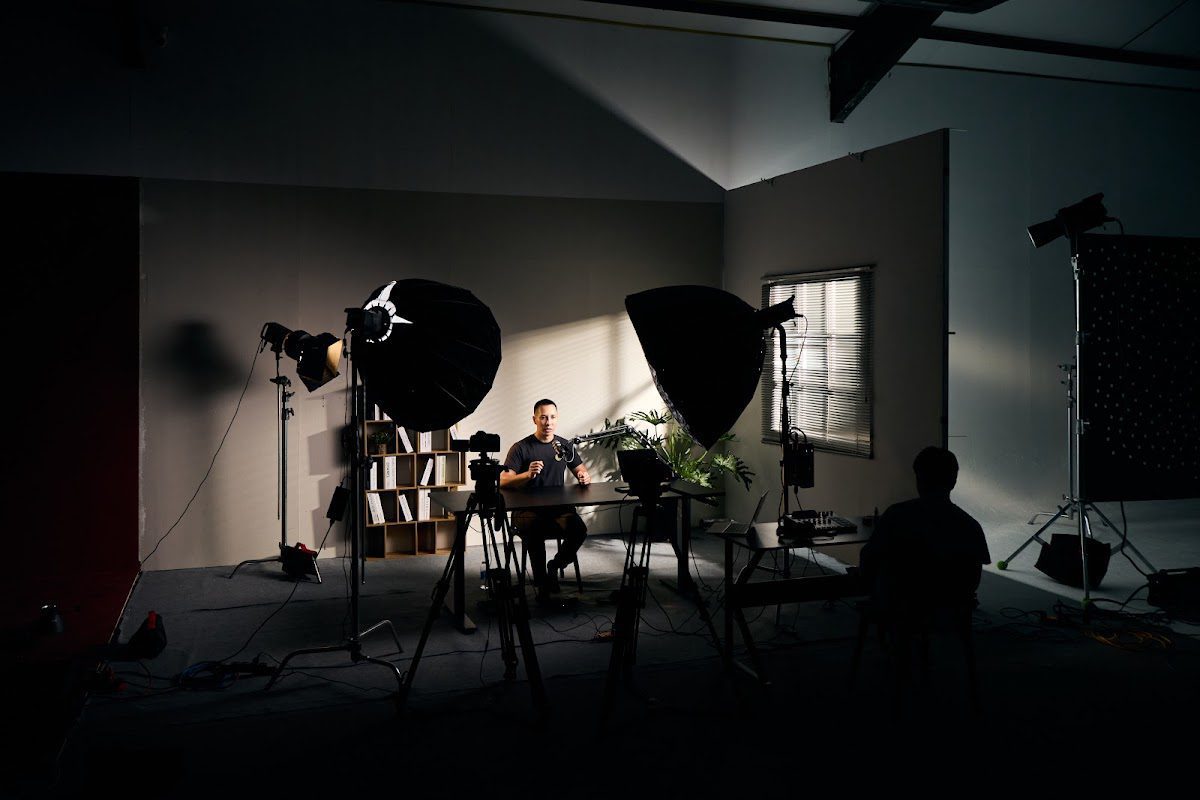
Most people overthink the launch and underthink episode ten. The gear question is real, but it is smaller than it feels. Below is the honest version we give founders, coaches, and expat creators who walk into our studio in Da Nang asking the same thing: where do I even start?
First, decide what your show is actually about
A podcast that lasts has a narrow promise. “A show about business” fades by episode four. “Fifteen-minute interviews with Da Nang founders about their first hire” gives you a guest list, a format, and a reason for someone to subscribe.
Before you touch a microphone, lock three decisions: your topic, your format (solo, co-host, or interview), and your length. Short and consistent beats long and occasional. Write down ten episode titles. If you cannot name ten, the topic is too narrow or too broad, and it is far cheaper to fix that now than after you have bought gear.
The gear that actually matters (and what does not)
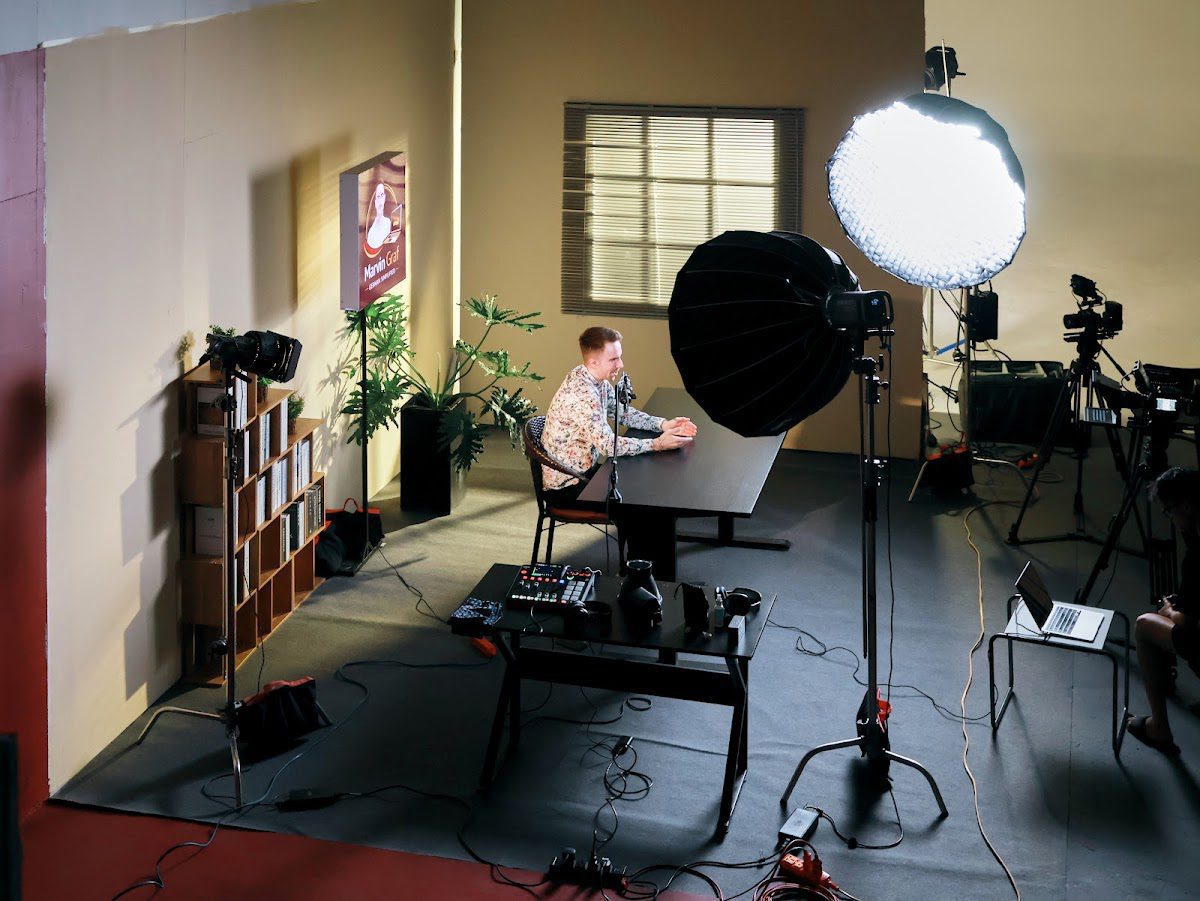
Audio matters more than video. Listeners forgive a plain background; they leave the moment your voice sounds like it was recorded in a bathroom. So spend your first budget on the microphone and the room, not the camera.
Here is the short version of what each piece does, from a studio that runs sessions every week:
| Piece | Why it matters | A real starting point |
|---|---|---|
| Microphone | Carries 80% of perceived quality | A dynamic USB mic at home, or a broadcast Sennheiser MKH416 in-studio |
| Camera | Only if you publish video or clips | Sony A7S III or FX3 for clean, low-light footage |
| Lighting | Makes video look intentional, not accidental | One soft key light beats three harsh ones |
| Headphones + recorder | Catch problems while recording, not after | Closed-back headphones and a DJI Mic 2 for lav audio |
You do not need to own all of it on day one. A camera like the Sony FX3 rents from 1,000,000 VND per day for the body, or 2,600,000 VND for the full package, from CINEFY’s equipment store (taken from the CINEFY equipment rental page, checked on 23 September 2026, excluding VAT 8%). Renting for a few shoots is how most creators find out what they actually use before spending on a body that lives in a drawer. If you want the full menu, see our podcast equipment guide for Da Nang.
Record at home, or book a studio?
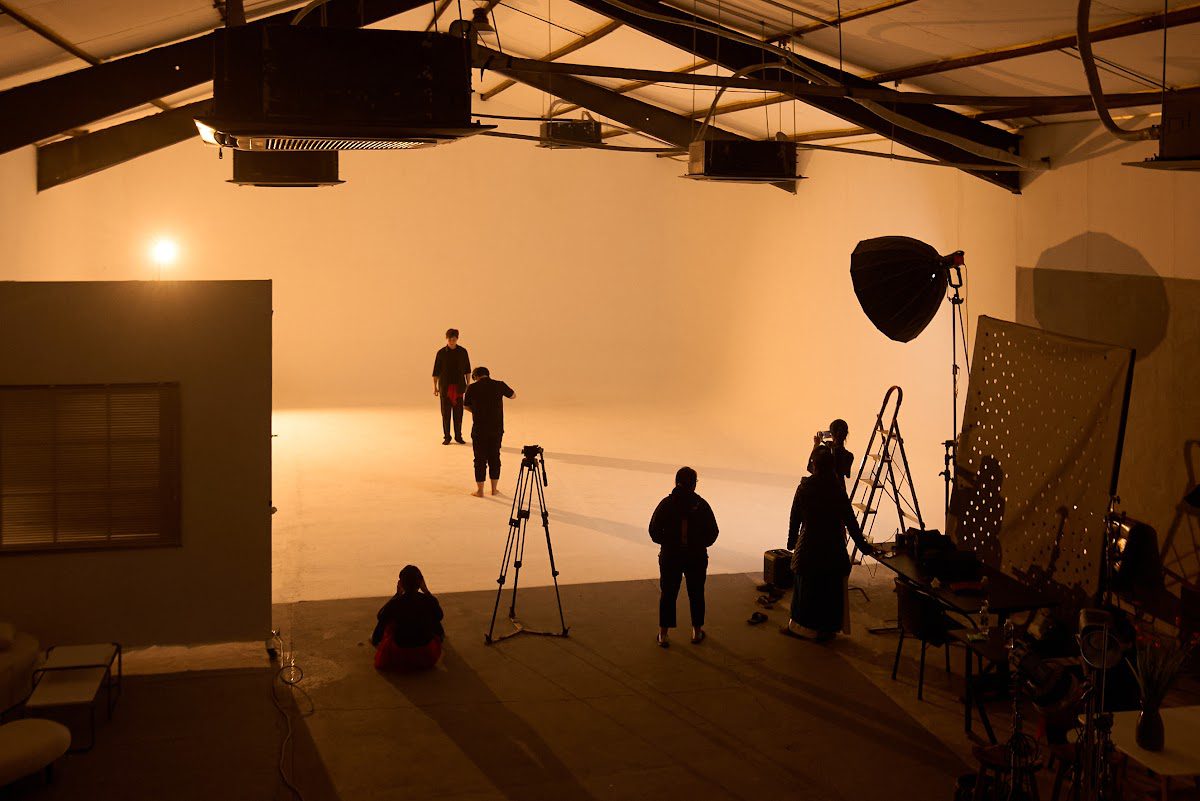
Both work. The right answer depends on how much editing pain you want to inherit. A home setup is cheaper per session and always available. A studio removes the two things beginners struggle with most: sound treatment and multi-camera setup.
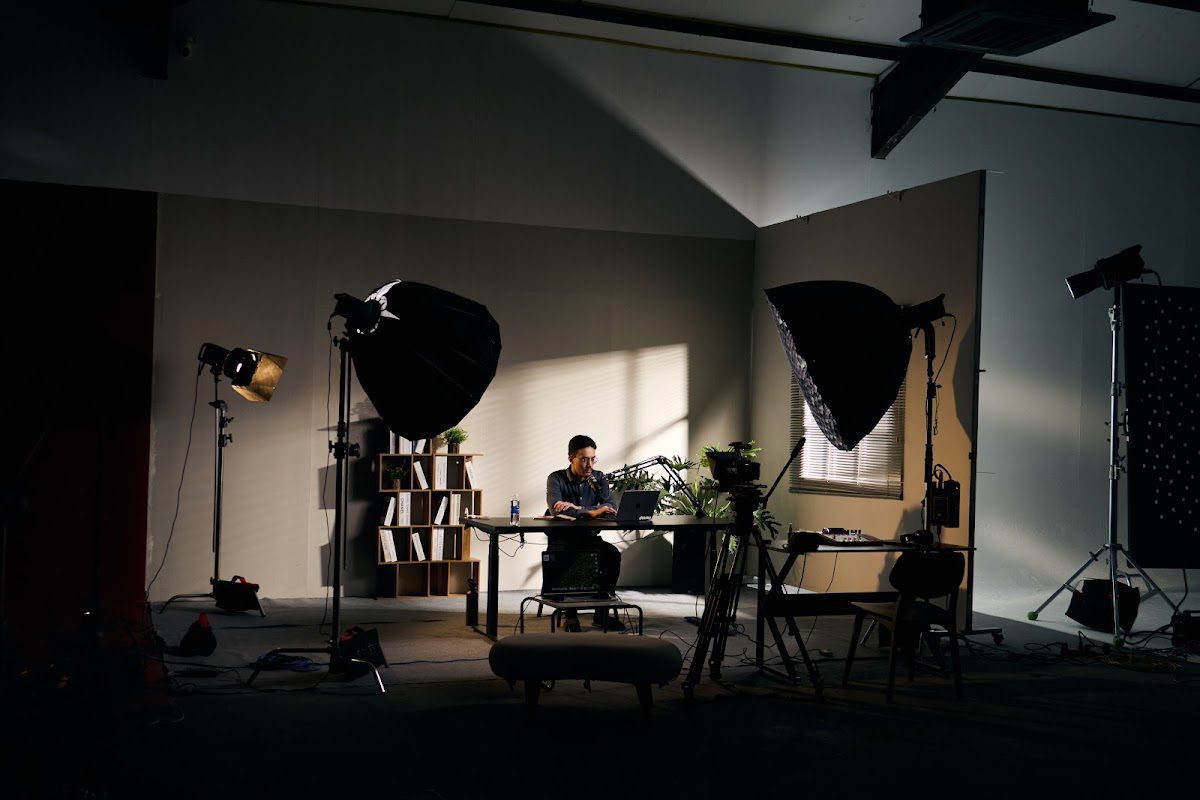
In Da Nang there is a third factor most guides ignore: the weather. In July the heat is brutal and the rainy season turns any outdoor or near-window audio into a gamble. A treated indoor room is not a luxury here, it is why your July episodes sound the same as your November ones.
| Home setup | Studio session | |
|---|---|---|
| Upfront cost | Lower, one-time | Per session, no gear to buy |
| Sound quality | Depends on your room | Treated, consistent |
| Multi-camera video | Hard to run solo | Handled by crew |
| Best for | Solo audio, weekly habit | Video podcasts, guests, batching |
A studio podcast session at CINEFY starts at 2,500,000 VND per hour for one camera, 3,000,000 VND for two, and 3,500,000 VND for three, with camera, crew, broadcast audio, lighting, and teleprompter included (rates from CINEFY’s podcast booking page, checked on 23 September 2026; VAT 8% not included). Full rates and what a session covers are on our podcast studio rates page.
What a real first session looks like
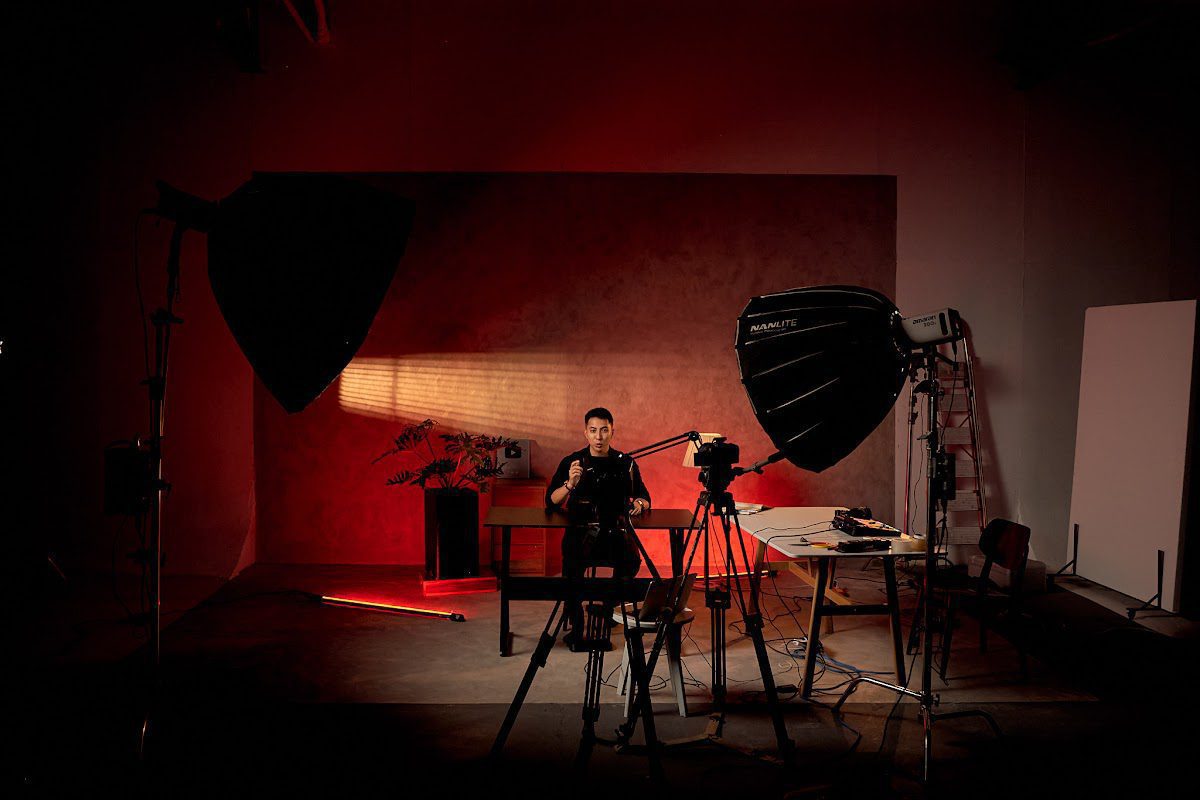
Here is the part no gear list tells you: your first recording will feel awkward, and that is normal. The founders and coaches who record with us almost always freeze in the first ten minutes. That is exactly why we offer a guided session, where someone sits just off camera and feeds you questions so the conversation keeps moving. You stop performing and start talking, which is the whole point.
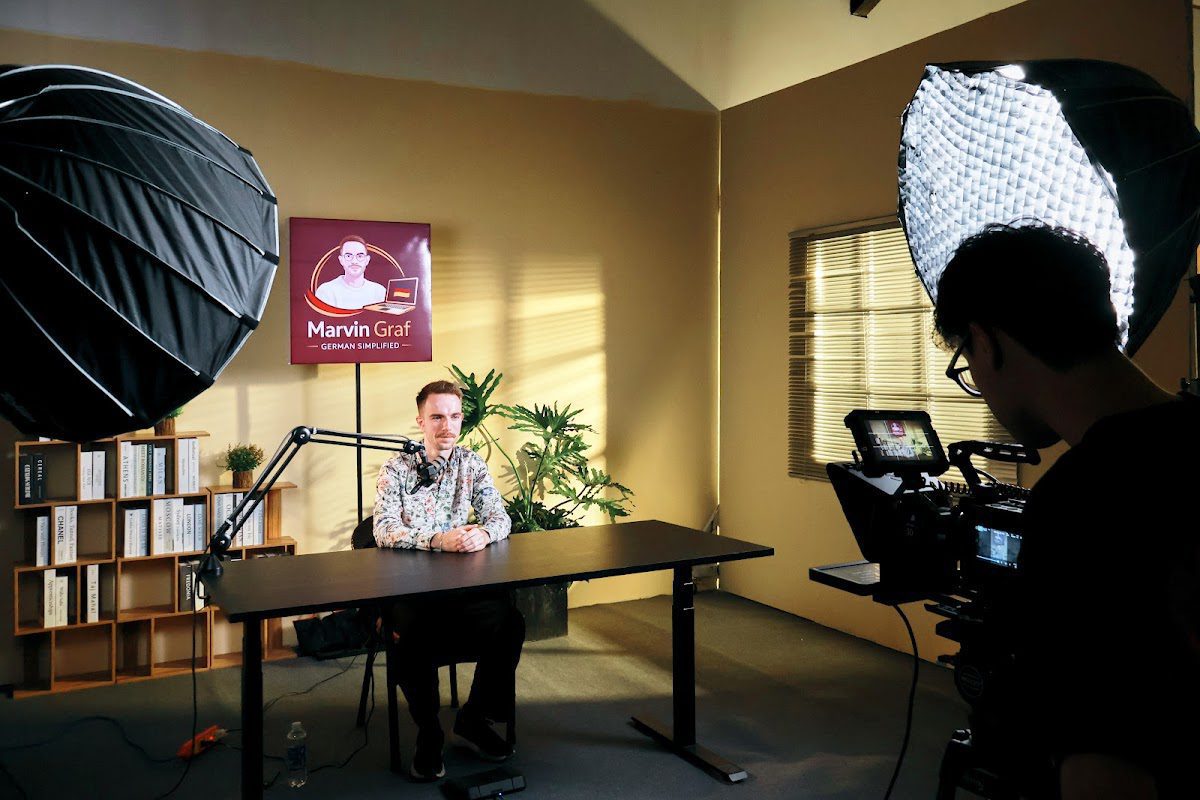
The other thing we push is batching. Instead of driving in for one 20-minute episode, most of our regulars record four to six in one afternoon: same shirt, same lighting, same energy. We run two or three cameras through an ATEM Mini so the edit is mostly done live, and we colour-match the cameras beforehand so cuts between them do not jump. You walk out with a month of content and a to-do list that just got a lot shorter. That approach is the backbone of our podcast production service.
Edit, publish, and keep going
Editing a podcast is mostly subtraction: cut the dead air, the long “ummm”, and the tangent that went nowhere. For audio, a clean cut and a light noise pass is enough to start. For video, add captions, because most people watch clips on mute first.
Publishing is simpler than it looks. Pick a host (the platform that distributes your feed to Spotify and Apple), upload, write a plain-English title and description, and hit publish. Then do the only hard part: release the next one. A show with ten mediocre episodes beats a show with one perfect episode that never got a sequel.
Frequently asked questions
How much does it cost to start a podcast in Da Nang?
At home you can start for the price of a decent USB microphone. If you want video and a treated room, a studio podcast session at CINEFY starts at 2,500,000 VND per hour with camera, crew, audio, and lighting included (rates checked on 23 September 2026, VAT 8% not included).
Do I need video, or is audio enough?
Audio alone is a real podcast. Video helps you make clips for social, which is where most new listeners find you. Many creators start audio-only and add cameras once the habit sticks.
What microphone should a beginner use?
A dynamic USB mic is the safest first buy at home. In a studio, a broadcast microphone like the Sennheiser MKH416 is already set up for you, so there is nothing to configure.
Can I record several episodes in one session?
Yes, and you should. Batching four to six episodes in one afternoon is the most efficient way to build a backlog. Our multi-camera setup and guided-session option are designed exactly for this.
How long should my episodes be?
Start with what you can sustain. Fifteen to thirty minutes is a comfortable range for interviews. Consistency matters far more than length.
Can I rent gear instead of booking a full studio?
Yes. You can rent a camera such as the Sony FX3 or A7S III and shoot at home. See our equipment options, or book a studio when you want the room and crew handled for you.
Want to record your first episodes without the setup headache? Book a guided studio session and walk out with a month of content.
Last updated: 23 September 2026.
Related: Podcast studio rates in Da Nang · Podcast equipment guide · Studio rental in Da Nang
Let’s make something cinematic.
★★★★★ 5.0 · 183 Google reviews · replies within 24h