
JOURNAL · 17/07/2026
Video Editing in Da Nang: A Real Workflow
Video editing in Da Nang: the five post-production stages, CINEFY review workflow, and how 4K and 6K RAW footage change the edit.

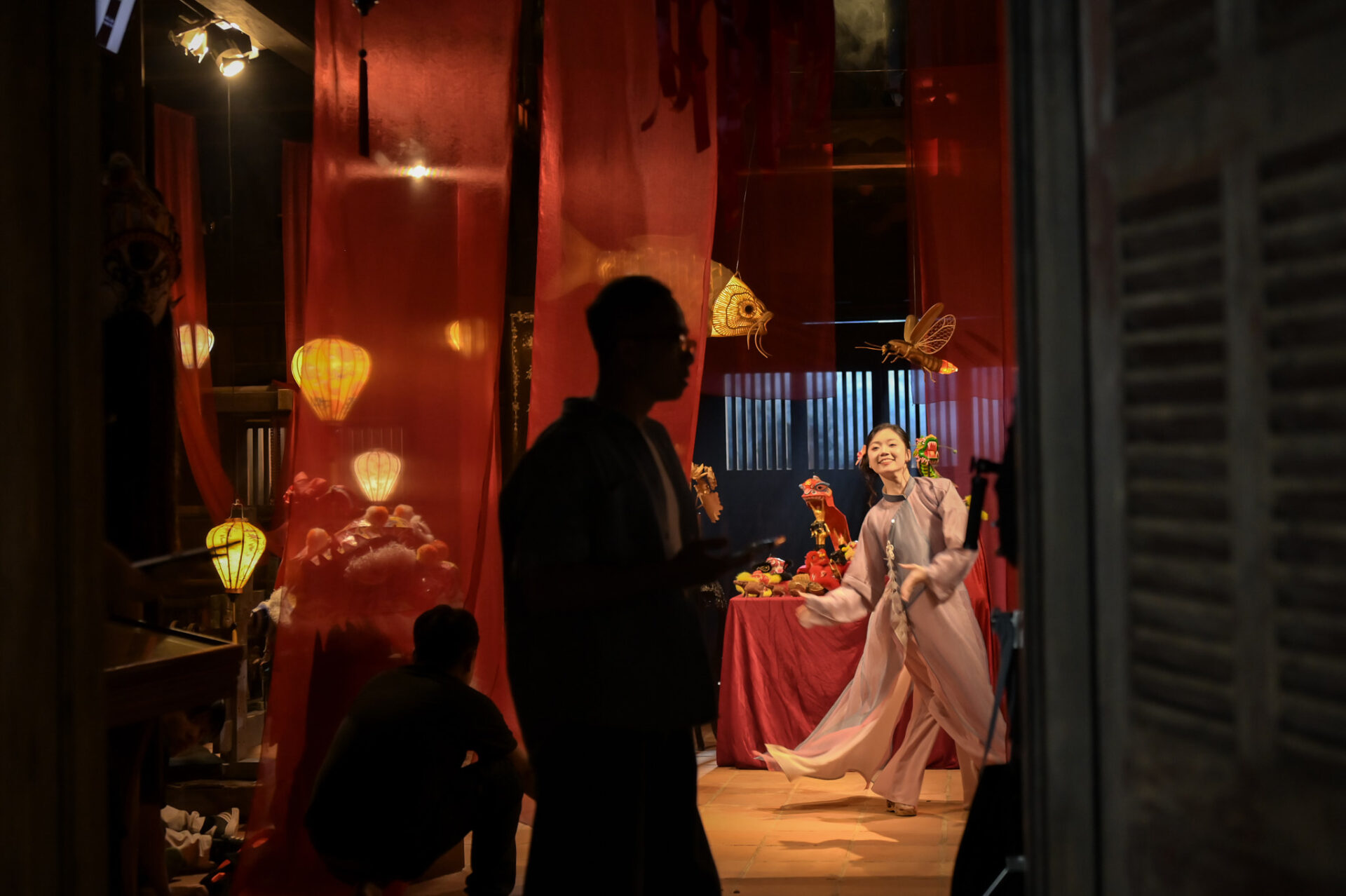
Video editing is the post-production stage that turns raw footage into a finished film: selecting takes, building the story, grading color, mixing sound, adding graphics and exporting for each platform. In Da Nang, CINEFY handles editing as part of its full video production workflow, with 200+ projects delivered since 2022.
CINEFY, 179B Nguyen Cong Tru, An Hai, Son Tra, Da Nang. Production and post: +84 779 771 234. Studio and podcast: +84 965 408 519. Working since 2022.
This guide is for two kinds of readers: businesses sitting on footage that never became a video, and anyone about to shoot a project who wants to understand why the edit takes as long as it does. It is written from our own edit desk, not from theory.
What are the stages of video editing?
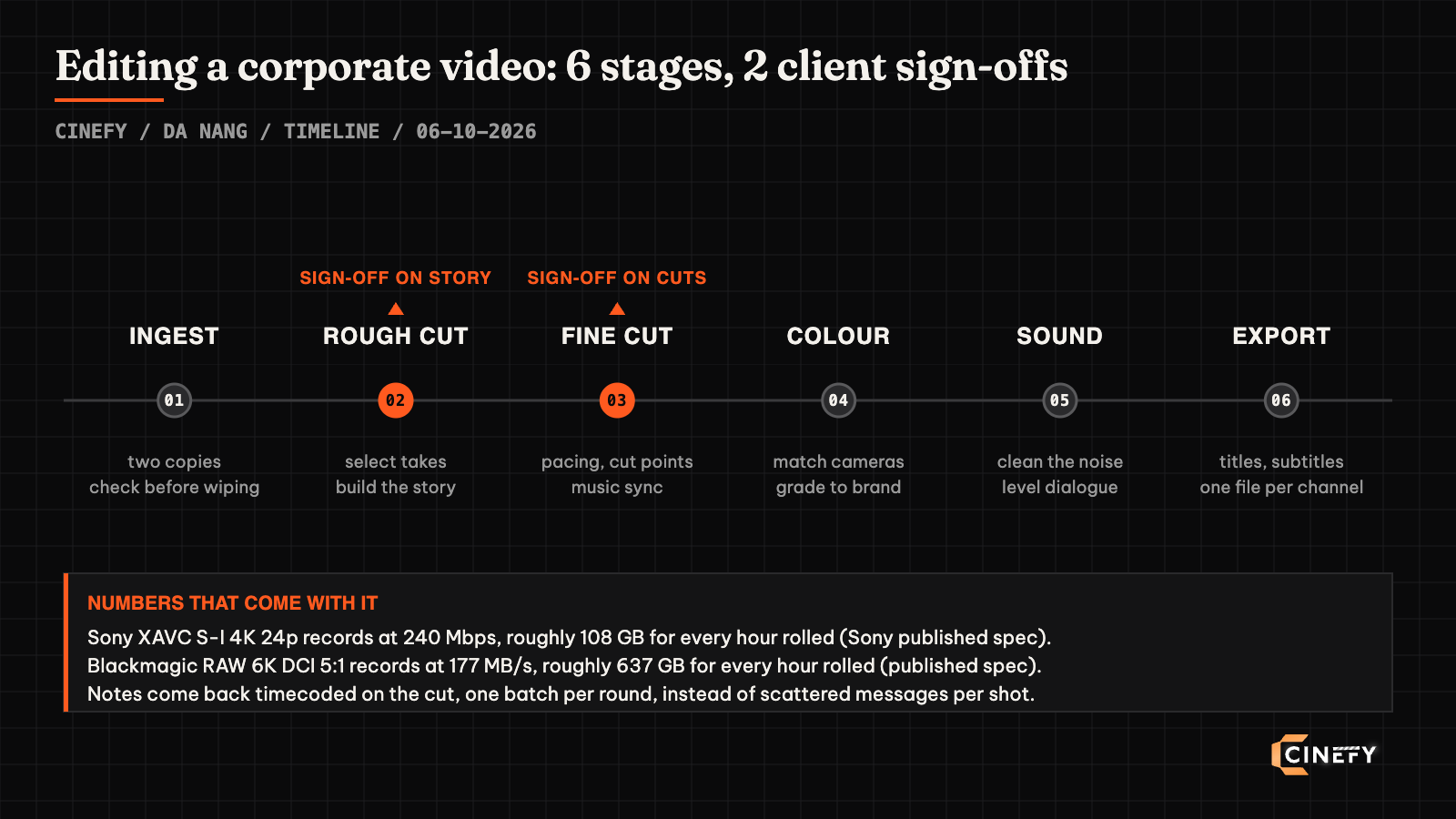
A video goes through five post-production stages: rough cut, fine cut, color grading, sound and graphics plus delivery. Each stage answers a different question, and doing them out of order usually means doing them twice.
| Stage | What actually happens | What you get |
|---|---|---|
| Rough cut | Selecting the best takes, assembling scenes, locking the story | A draft with the right structure and target length |
| Fine cut | Refining pacing, cut points, transitions, syncing music | An edit that flows and holds attention |
| Color grading | Matching cameras, then grading to the brand’s mood | A consistent, cinematic image |
| Sound | Cleaning noise, balancing dialogue, mixing music and effects | Audio that reads clearly on a phone and on a TV |
| Graphics and delivery | Titles, logo, subtitles, error checks, per-platform exports | Final files for web, social and screening |
One rule we keep on every project: the rough cut is never graded. Clients sometimes ask why the draft looks washed out, and the answer is that story comes first, color comes later. Restructuring an edit that has already been graded is the fastest way to pay for the same work twice.
When do you actually need a video editing service?
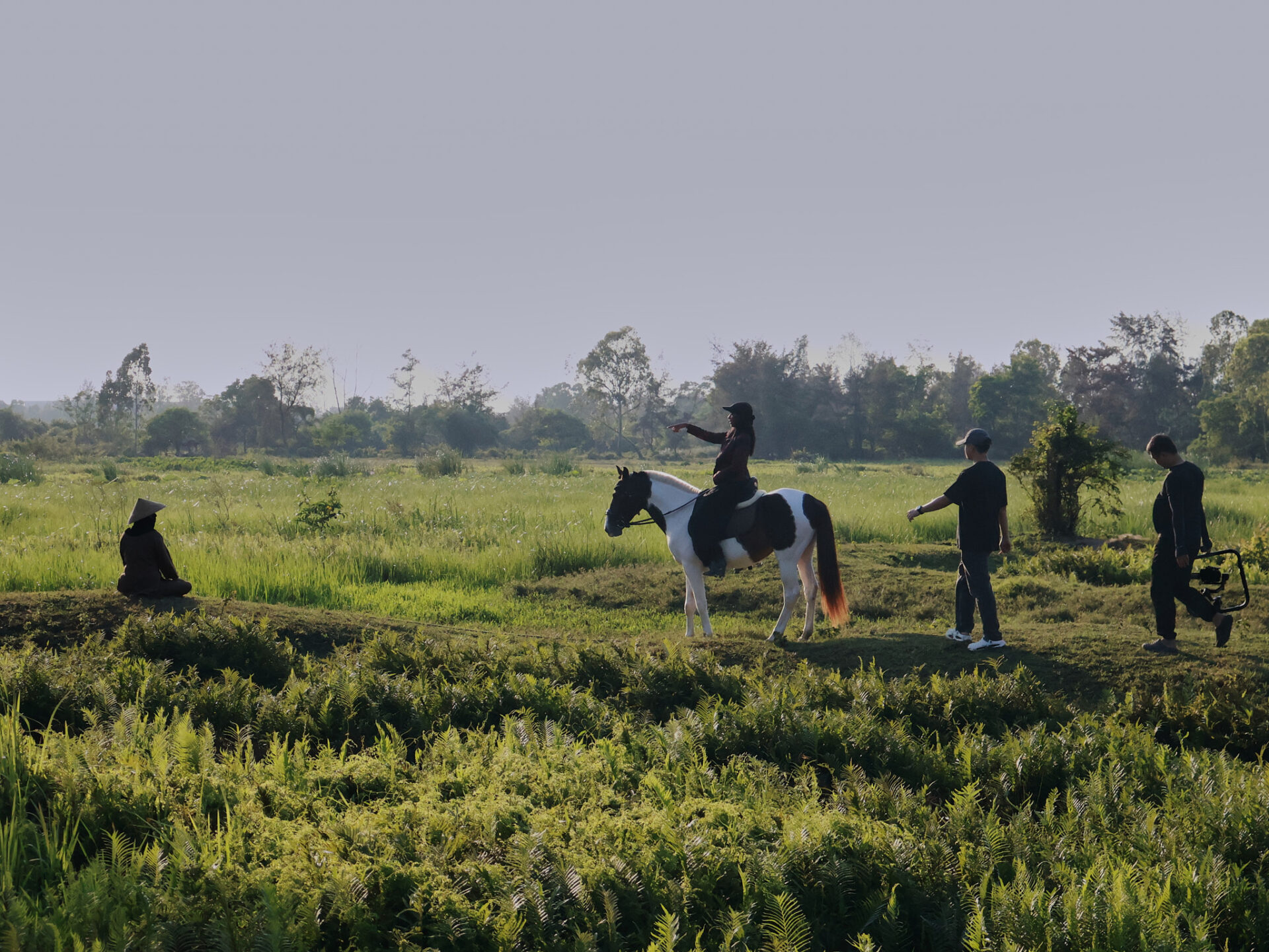
You need an editor when you have material but no finished video. At CINEFY this usually walks in from a few familiar directions: businesses with footage shot in several batches that should become one brand video, creators with travel or short-film material that needs a storyteller’s hands, and full production projects that go from shoot to edit in one pipeline.
There is one more group we meet every week: clients who rent a camera like the Sony FX3 from us and shoot their own projects. The question we hear most when they open the files: “Why does everything look grey and flat?”. That is S-Log3 footage, a deliberately flat profile that saves room for color grading, not a broken camera. Footage like that lands on our edit desk regularly.
If your project has not been shot yet, read the next section before rolling. And if you are choosing between hiring a crew for both shoot and edit, our guide to corporate video production in Da Nang helps you pick the right video type before thinking about post.
How to choose an editor, and how to check each answer
| What to look at | What to ask | How to verify |
|---|---|---|
| Who actually cuts | Who is editing this job, and what have they cut before | Ask for two links in the same format and which part they handled |
| Revision rounds | How many rounds are included, and how is a third one billed | Have the number written into the quote, not agreed verbally |
| How notes arrive | Timecoded notes on the cut, or loose messages | Ask to see a sample note sheet from an earlier job |
| Rights to the files | Who owns the project file and the camera originals, and for how long are they kept | Put it in the quote or the contract before work starts |
| Matching cameras | Do you take footage from different camera bodies | Ask how they match, and ask for one before and after pair |
| Delivery formats | How many versions, for which channels, subtitles or not | List every file in the quote with frame shape and duration |
Table checked 06/10/2026. If you need the shoot as well as the edit for a company profile video, see corporate video production in Da Nang; for commercials and brand films see commercial video production in Da Nang.
Why does a good edit start on the shoot day?
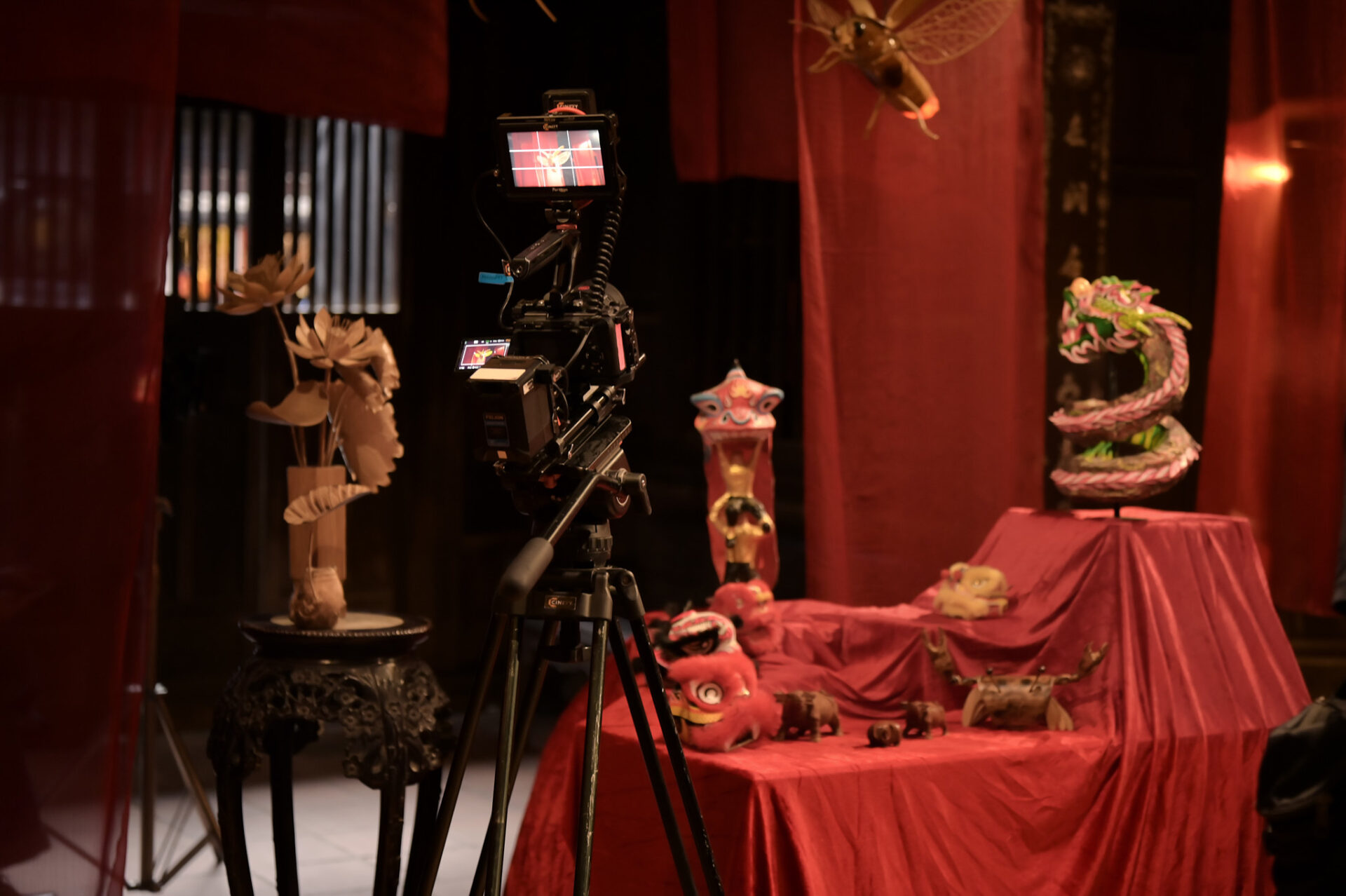
Most of the time spent in the edit room is decided on set. A shoot with a proper shotlist, takes logged as they happen and frames checked on the monitor before moving on produces footage an editor can simply tell a story with, instead of patching holes.
A hard-earned lesson of this craft: what makes an edit feel stiff is rarely a missing main shot, it is missing inserts. Without b-roll, the editor is forced to let an interview run longer than any viewer’s patience. That is why on CINEFY shoots the b-roll gets shot before wrap even when the schedule is tight. It is the gift the shooting crew sends forward to their future selves.
This is also why projects that shoot and edit with the same team tend to finish earlier: the camera operator knows exactly what the editor needs, and the other way around.
From the CINEFY booking calendar. In the window 29/08 to 28/09/2026 there were 18 rental jobs: lighting 6, sound 4, gimbal 2, prime and zoom lenses on their own 2. Two of those matter in the edit suite: sound gear is usually rented separately, which means dialogue arrives as its own file that has to be matched back to picture; and three of the last four gimbal jobs went out with no microphone, so moving shots often reach the edit without usable location sound.
How does the editing process work at CINEFY?
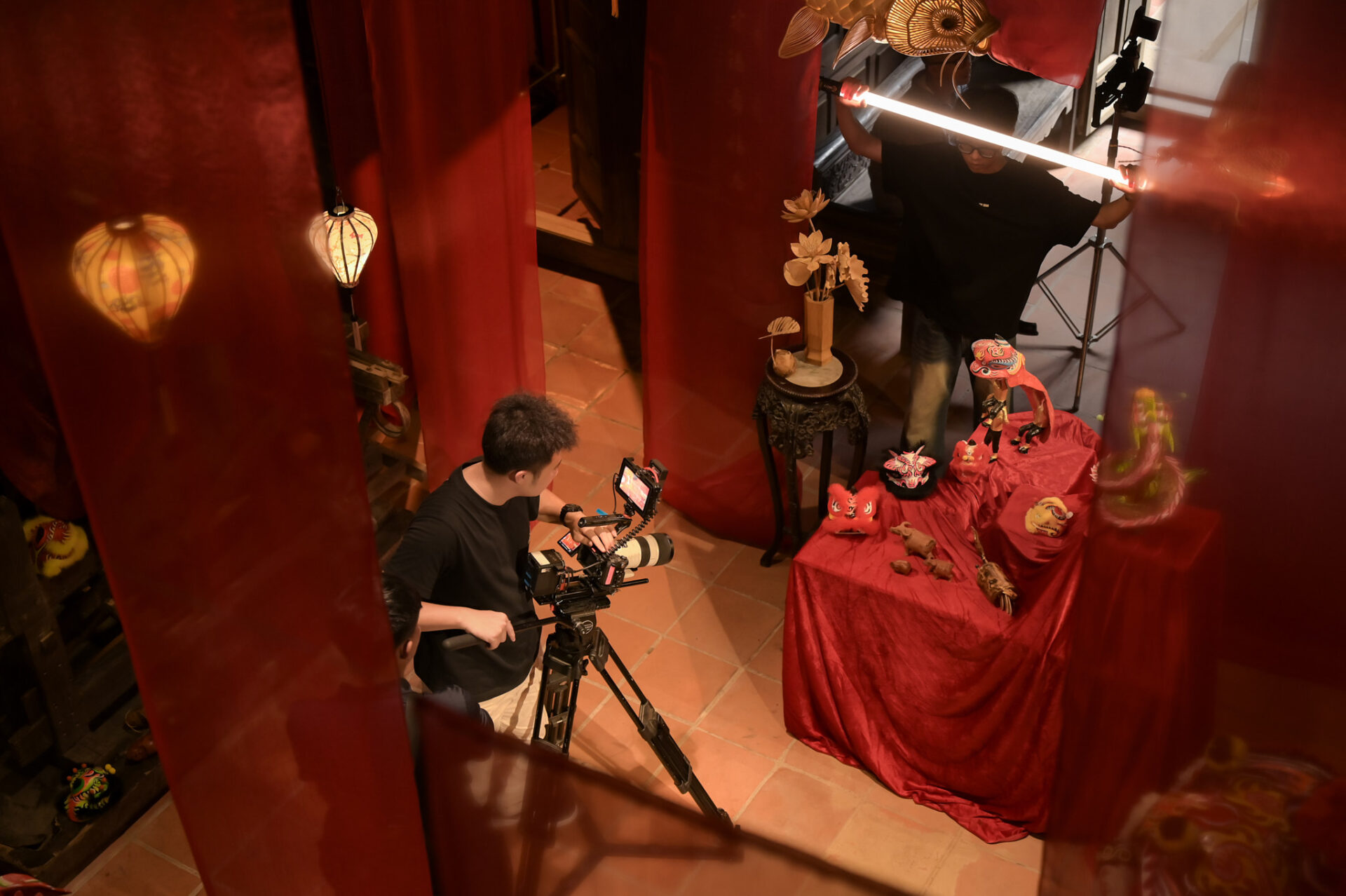
Our process has five steps, the same for full productions and for footage you bring us:
- Footage and brief review. We watch everything and map it against the video’s goal and platforms.
- Rough cut for story approval. You approve structure and content first, before anyone talks about color or music.
- Fine cut, color, sound. The three finishing layers run once the story is locked.
- Final review. Feedback is gathered in rounds: one list per round, one revision pass. Drip-fed notes are what stretch deadlines the most, so we help you collect them.
- Export and delivery. One correctly specced export per platform, plus an archive master.
On full productions, CINEFY’s payment milestones are tied straight into this process: 50% at the start of pre-production, 30% on the shoot day and the final 20% after the final cut is approved. The edit is not an afterthought at the end, it is the acceptance milestone of the whole project.
Checklist before you send footage to an editor
- ☐ Copy the footage to two separate drives before wiping any card
- ☐ Keep the camera folder structure, do not rename files
- ☐ Note which camera shot which scene if you used two or more
- ☐ Send separately recorded audio and the clap marks used to sync it
- ☐ State the target frame shape: 16:9, 9:16, or both
- ☐ State the target duration for each version
- ☐ Send the logo as vector, plus brand fonts and colours if you have them
- ☐ Send music you have cleared, or say so and let the editor pick licensed music
- ☐ Name one final approver, only one
- ☐ Agree a deadline for each review round before work starts
How do 4K and 6K RAW footage change the edit?
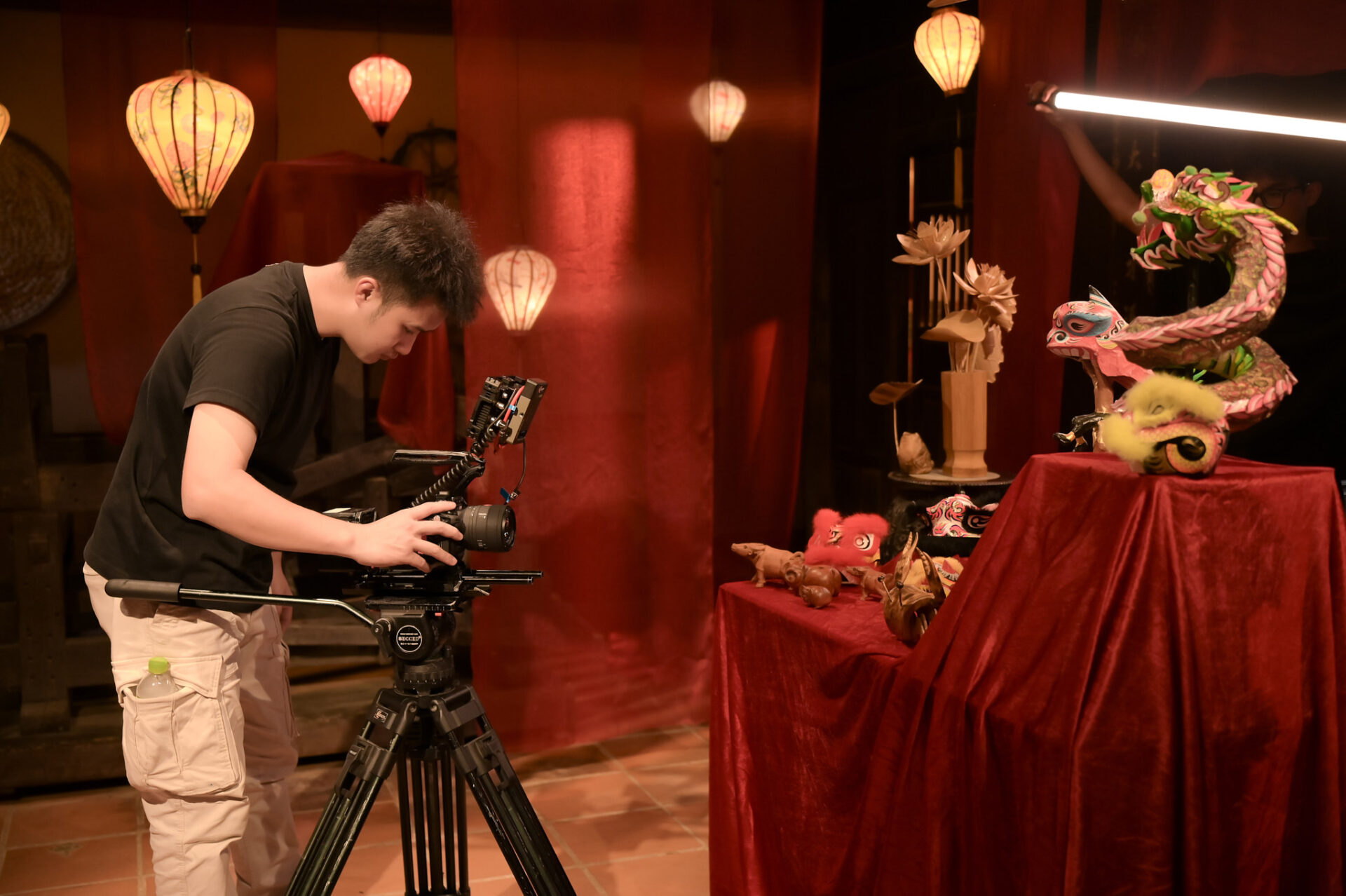
The camera codec decides three things in post: the workstation you need, the storage you will burn and how far the color can be pushed. From CINEFY’s rental inventory, three common picks serve three different needs:
- Sony FX3 shooting 4K 10-bit: light files, fast edits, still plenty of room to grade. It is what we recommend most often for corporate videos and talking-head work.
- Blackmagic Pyxis 6K shooting BRAW: the balanced middle, RAW flexibility with files that stay manageable.
- RED KOMODO X shooting R3D RAW: maximum color latitude for TVCs and brand films, in exchange for heavy files and a proxy workflow in the edit.
A proxy is a lightweight twin of the original footage: the editor cuts on the light version so everything stays smooth, and at export the system relinks to the full-quality originals. It sounds like a detour, but it is how RAW projects keep their schedule without a supercomputer.
If you are shooting your own material, pick the codec your edit machine can chew. If you are not sure, ask the person who will edit it first. They will thank you warmly.
How much data is one hour of recording
| Recording format | Published data rate | Roughly, one hour rolled |
|---|---|---|
| Sony XAVC S-I 4K 24p | 240 Mbps | about 108 GB |
| Sony XAVC S-I 4K 60p | 600 Mbps | about 270 GB |
| Sony XAVC S 4K 10 bit | 100 Mbps | about 45 GB |
| Blackmagic RAW 6K DCI 5:1 | 177 MB/s | about 637 GB |
| Blackmagic RAW 6K DCI 12:1 | 75 MB/s | about 270 GB |
Data rates come from the specification pages published by Sony and Blackmagic Design, read on 06/10/2026. The size column is a straight multiplication for one continuous hour, with no allowance for the camera stopping.
That number settles a very ordinary question: ship a drive, or upload. On the i-Speed platform run by VNNIC, the national average fixed broadband speed in January 2026 was 256.86 Mbps down and 170.28 Mbps up (VietnamPlus). At that upload rate, the 108 GB from an hour of XAVC S-I takes roughly 1.5 hours to send, while the 637 GB from an hour of 6K RAW takes roughly 8 hours. In other words, for compressed footage the line is usually quicker than a ride across town, and for RAW the drive still wins. These are national averages and the line in any one building differs, so push a 5 GB test file before you commit a whole shoot day to it.
The Frame.io guide to proxies in DaVinci Resolve is thorough on generating proxies locally and on picking DNxHR LB or ProRes 422 Proxy, and it stops there: it does not deal with an editor sitting a few hundred kilometres from the shoot who still has to move the camera originals. For a crew in Da Nang taking footage from a client out of town, that transfer is the slowest step of the week, which is why the table above is worth reading before the shoot rather than after it.
How is video editing priced in Da Nang?
CINEFY quotes editing per brief rather than off a rate card, because the number moves with four things: how many hours of footage there are, how many rounds of revision you want written into the deal, whether the edit needs motion graphics, and how many aspect ratios have to come out the other end. The shape of it, from the multi-video projects we have run recently: a graded edit is the base, motion graphics adds roughly a sixth on top of that base, and multi-aspect exports 9:16, 16:9 and 1:1 add roughly an eighth. Single videos and VFX-heavy work are quoted per brief, within 24 hours. In a full production budget, post-production typically takes 20 to 30%.
There is no single fixed number for an edit, because two videos of the same length can carry workloads that differ by multiples. What actually drives the quote:
- Final video length and the number of versions to export (a long master, short social cuts).
- Volume of source footage: two hours of material is not ten hours of material.
- Graphics and VFX: simple titles versus animation, object removal or compositing.
- Revision rounds and how tight the deadline is.
Seven variables that move the price of an edit
| Variable | Why it moves the price | What to ask when a quote arrives |
|---|---|---|
| Hours of raw footage | Hours somebody has to watch before cutting | Is this priced per hour of footage or per finished cut |
| Number of cameras | Matching colour and syncing several picture sources | Do extra cameras cost extra |
| Recording format | RAW needs stronger machines and a proxy pass | Is there a surcharge for RAW |
| Number of exports | Every frame shape and duration is another pass | How many versions are included, and what does a vertical cut cost |
| Graphics and subtitles | Animated titles, subtitles in one language or two | Are English subtitles inside the price |
| Revision rounds | Each round reopens and re-exports the project | How many rounds, and how is an extra one billed |
| Deadline | A shorter deadline reshuffles the edit schedule | Is there a rush fee |
Table checked 06/10/2026. CINEFY does not publish a rate card for editing, because those seven variables move with every project. Send the footage details and the list of versions you need, and CINEFY quotes it line by line within 24 hours.
How much does video editing cost in Da Nang?
CINEFY does not publish an editing rate card, because the number moves with hours of footage, rounds of revision, whether motion graphics are involved, and how many aspect ratios you need. The shape is steadier than the number: a graded edit is the base, motion graphics adds roughly a sixth on top, multi-aspect exports roughly an eighth, and a multi-video package is quoted differently from a one-off. Send a brief and the line items come back within 24 hours; post-production is typically 20 to 30% of a full production budget.
What is the difference between filming and editing?
Filming creates the material on set, editing turns that material into a finished video in post-production. They are different skill sets; at CINEFY both live inside one production workflow, so there is no blame game between the shooting crew and the editor.
Does CINEFY edit footage I shot myself?
Often yes, depending on the material. Send a few sample files and the goal of the video; we will review them and answer honestly: what the existing footage can support, and whether a pickup shoot is needed.
How long does editing a corporate video take?
It depends on length, graphics workload and review rounds. A short video with simple graphics is measured in days; a VFX-heavy project with multiple export versions is measured in weeks. The exact deadline is fixed in the brief before work starts.
What should I prepare before sending footage?
Original uncompressed files, the story or script you have in mind, reference music if any, your logo and brand assets, and a realistic deadline. With those five things the edit starts immediately, with no back-and-forth.
Why edit in Da Nang instead of sending files to another city?
You review cuts in person and get same-day answers. More importantly, when a missing shot turns up, CINEFY has a 360m² studio in An Hai, Son Tra with equipment on hand for fast pickup shoots, instead of coordinating remotely.
What is the fastest way to get footage to an editor?
Compressed XAVC footage uploads faster than most people expect, while RAW is still quicker on a drive, as the size table above shows. If you are in Da Nang, dropping a drive at 179B Nguyen Cong Tru, An Hai, Son Tra is the simplest route; from further away, call +84 779 771 234 and CINEFY will open a folder and send you an upload link.
Does CINEFY keep the project files after delivery?
Yes. CINEFY keeps the project file and the final exports after handover, so a later change does not start from scratch, and the retention period is written into the quote for each project. Keep your own copy of the camera originals as well, since those belong to the project rather than to the editor.
Have footage that needs an edit, or a project that needs both shoot and post?
Send a brief or a few sample files and CINEFY will reply with a clear line-item breakdown.
Last updated: October 6, 2026
Related articles: Corporate Video Production in Da Nang 2026 · Choosing a Video Production Company in Da Nang · Vietnam Drone Laws 2026: A Filmmaker’s Guide
Let’s make something cinematic.
★★★★★ 5.0 · 183 Google reviews · replies within 24h