
JOURNAL · 31/07/2026
TVC Production Process A-Z in Da Nang
TVC production runs in three phases: pre-production, production and post-production. Here is the full process in Da Nang, with realistic timelines and what actually drives the cost.

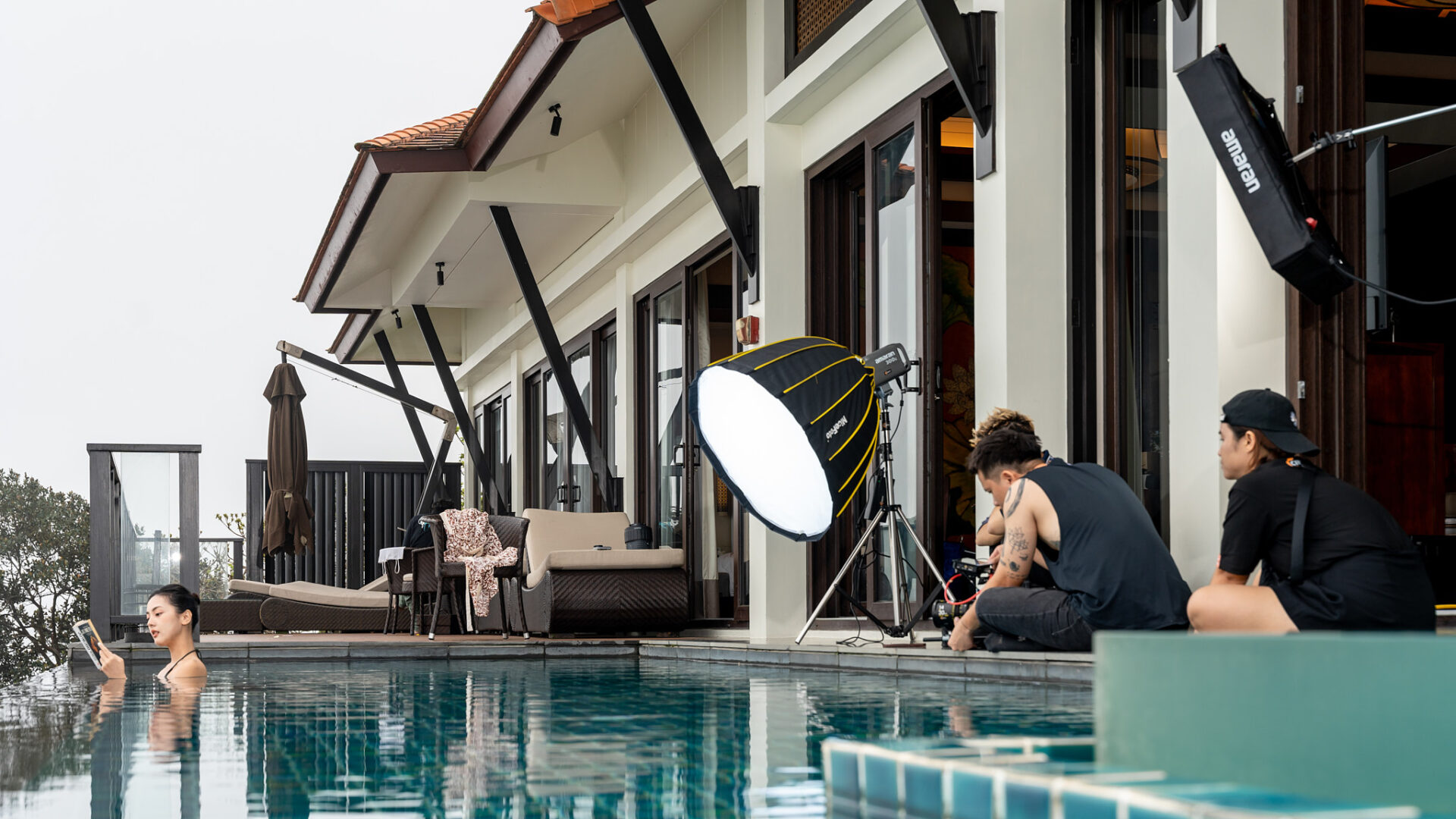
TVC production runs in three phases: pre-production, production and post-production. Pre-production covers the brief, script, storyboard, casting and location scouting and takes about two weeks. The shoot itself takes one to three days. Post-production, from rough cut to final delivery, takes another two to three weeks. For a standard commercial in Da Nang, budget roughly four to six weeks from approved brief to delivered master.
This guide walks through what happens in each phase, who does what, and where projects usually lose time. It is written from our own production schedule in Da Nang, not from a textbook.
Service page: commercial video production in Da Nang at CINEFY, with the four-step process and FAQs.
What are the three phases of TVC production?
Every commercial, from a fifteen second social cut to a broadcast TVC, passes through the same three phases. What changes between projects is the weight of each phase, not the order.
| Phase | What happens | Typical duration |
|---|---|---|
| Pre-production | Brief, creative concept, script, storyboard, casting, location scouting, schedule | 9 to 17 days |
| Production | Set build, lighting and camera setup, gear checks, principal photography | 2 to 4 days |
| Post-production | Rough cut, client review, color grading, VFX, sound, exports and handover | 11 to 19 days |
Notice the imbalance. The shoot, the part everyone pictures when they think of making a commercial, is the shortest phase by a wide margin. The other two are where a TVC is actually won or lost.
Pre-production: where the TVC is really decided
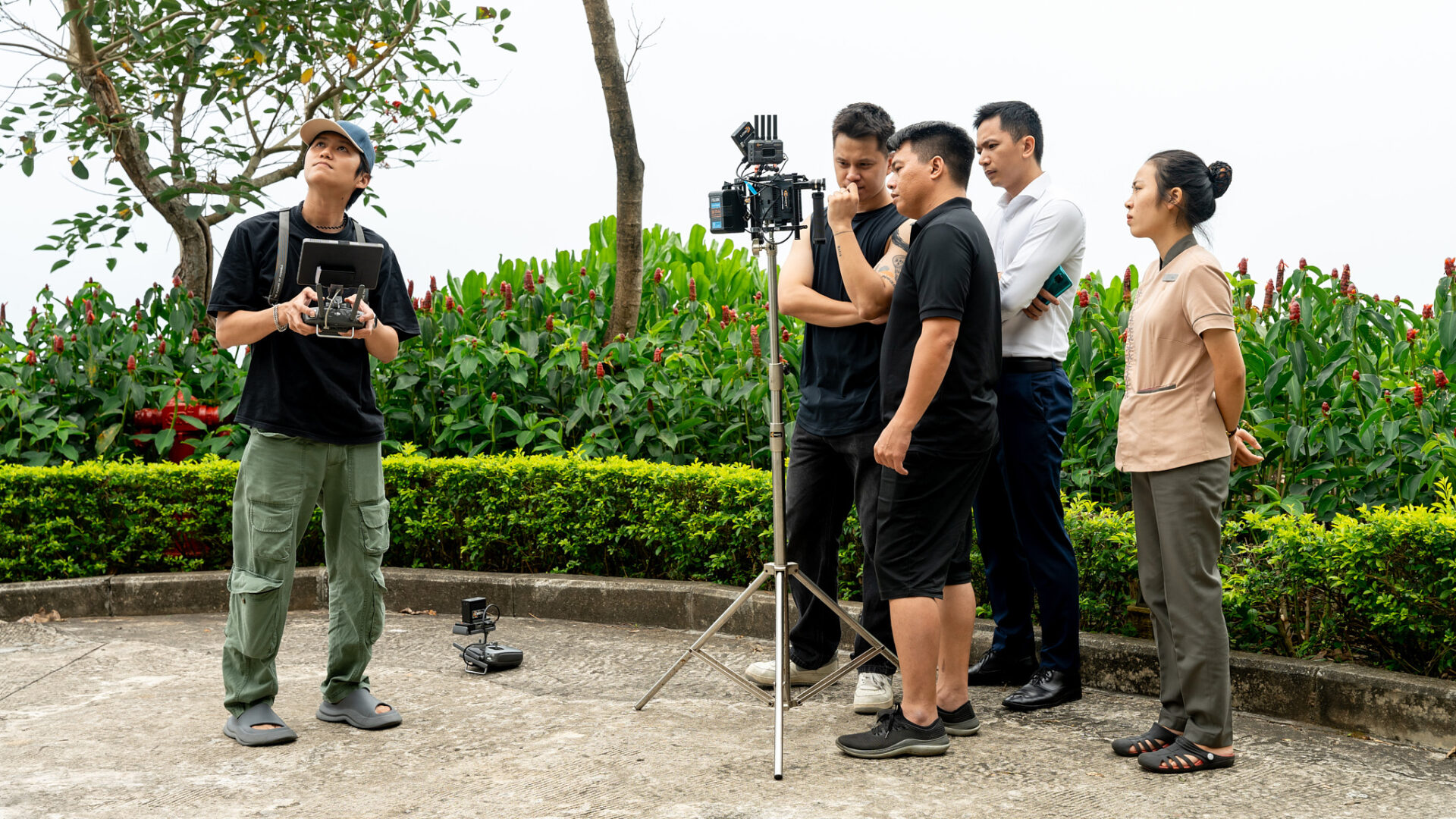
Brief meeting and concept development (1 to 3 days)
The production team works with your business to understand the product, the core message and the target audience, then develops a creative concept that fits the budget. This is the meeting where you should over-share: the objection your sales team hears most, the competitor you are compared to, the one thing you refuse to say on camera. Concepts built on a thin brief look expensive and land nowhere.
Script and storyboard (3 to 7 days)
The concept becomes a detailed script covering every shot, every line of dialogue and every visual. The storyboard turns that script into frames so you can see the finished commercial before any shoot budget is spent. Changes at this stage cost a conversation. The same change on shoot day costs a shoot day.
Casting and location scouting (5 to 7 days)
Casting finds the right faces and locations are locked in. Da Nang gives a production genuine range within a short drive, from beach and Son Tra mountain to hotel interiors and industrial sites, and our guide to the best filming locations in Da Nang covers the practical permissions and light conditions for each. When the script calls for a fully controlled environment instead, the CINEFY 360m² studio removes weather from the equation entirely, which in a Da Nang October is not a small thing.
Production: the shoot days
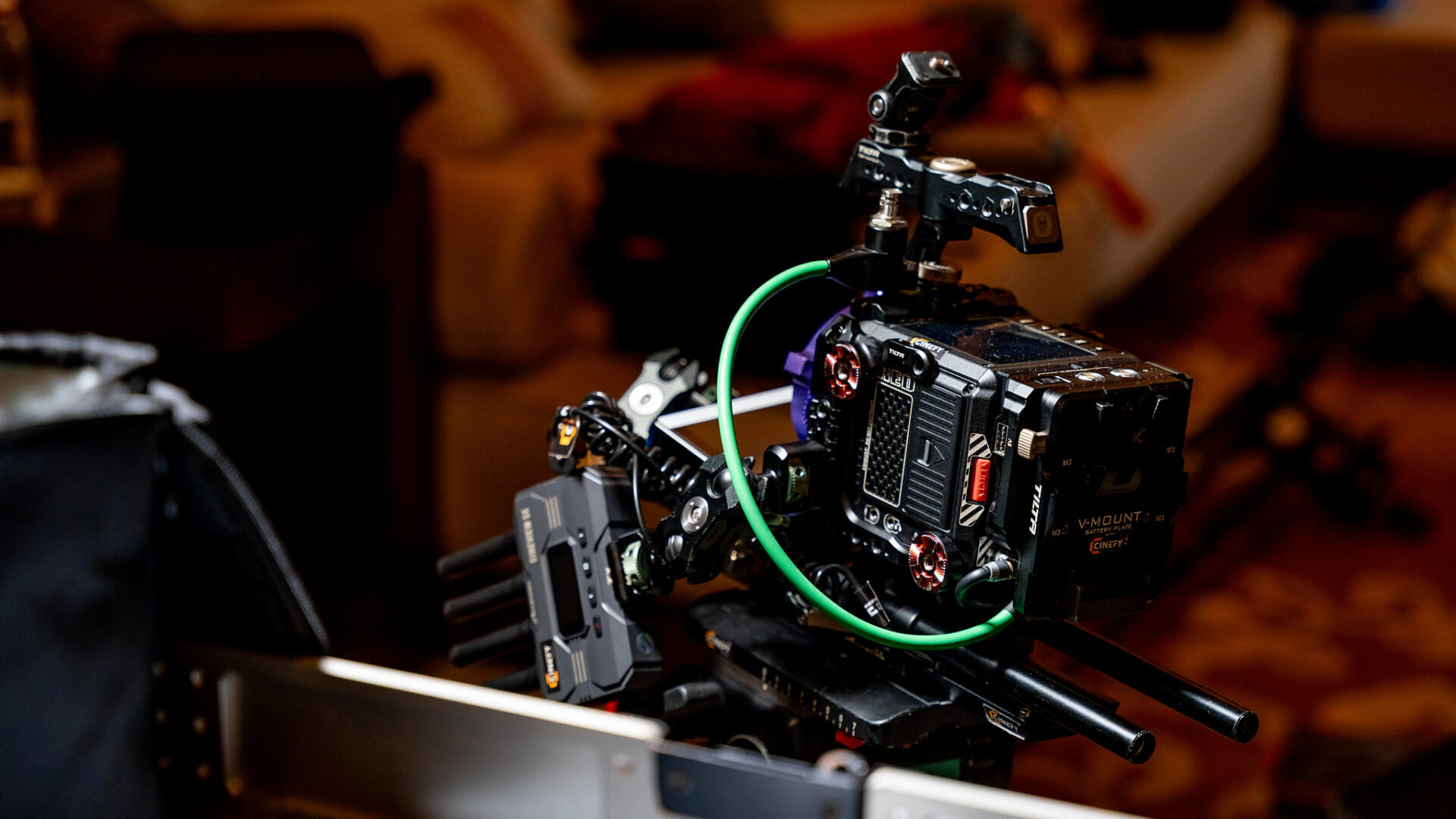
Set build and gear checks (1 day)
The set is dressed and the lighting, camera and sound systems are installed and tested. Every piece of equipment is checked before the main shoot day so that nothing is discovered on the day itself. This is unglamorous work that nobody puts in a showreel, and it is the single clearest signal of whether a crew has done this before.
Principal photography (1 to 3 days)
Filming follows the approved script and storyboard. The director, the director of photography and the sound team work shot by shot against the board, and the client-facing monitor is the reference everyone agrees on rather than anyone’s memory of the meeting.
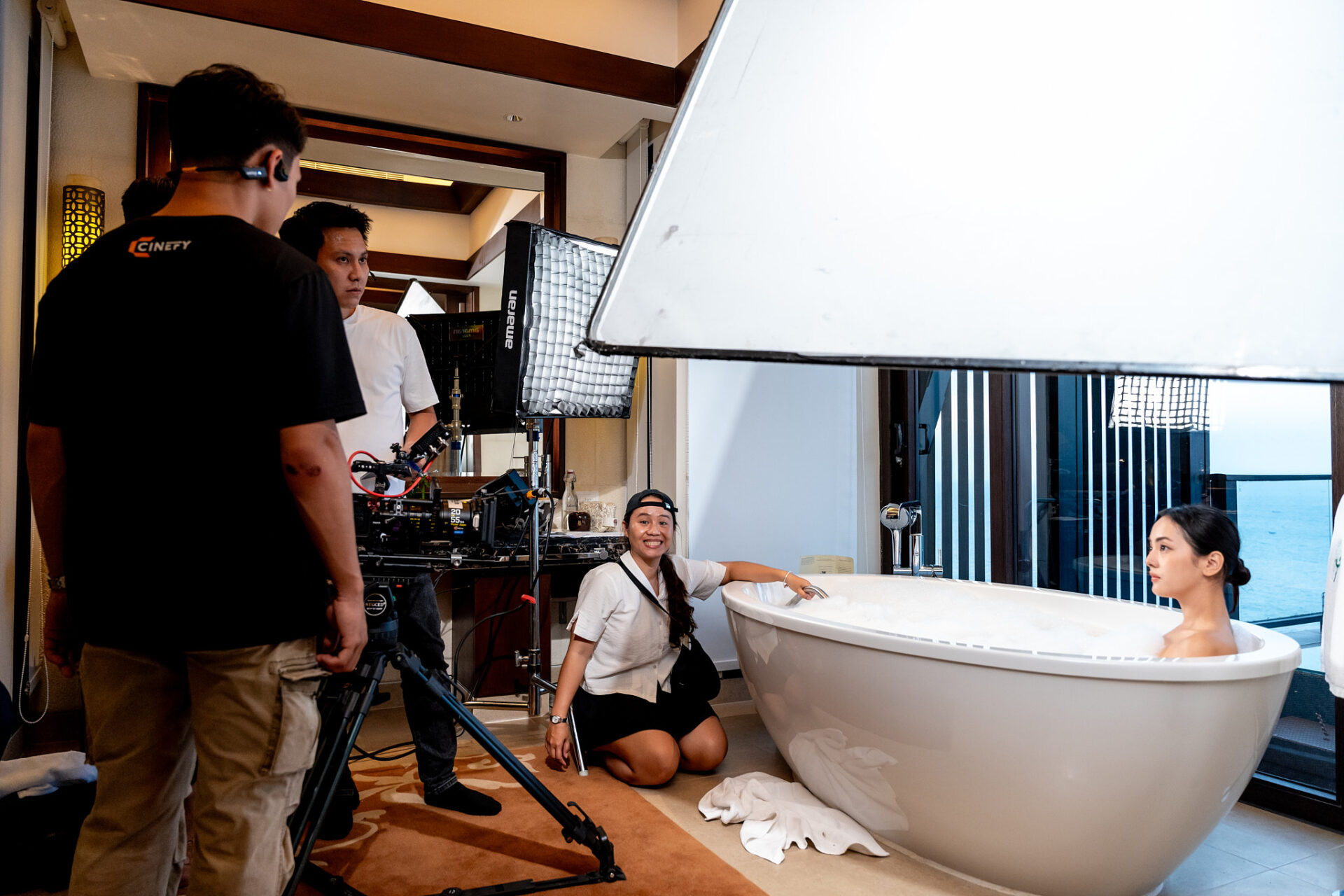
One practical note for clients attending a shoot: approvals given on set are worth more than approvals given later, so send someone who can actually decide.
Post-production: from rough cut to master file
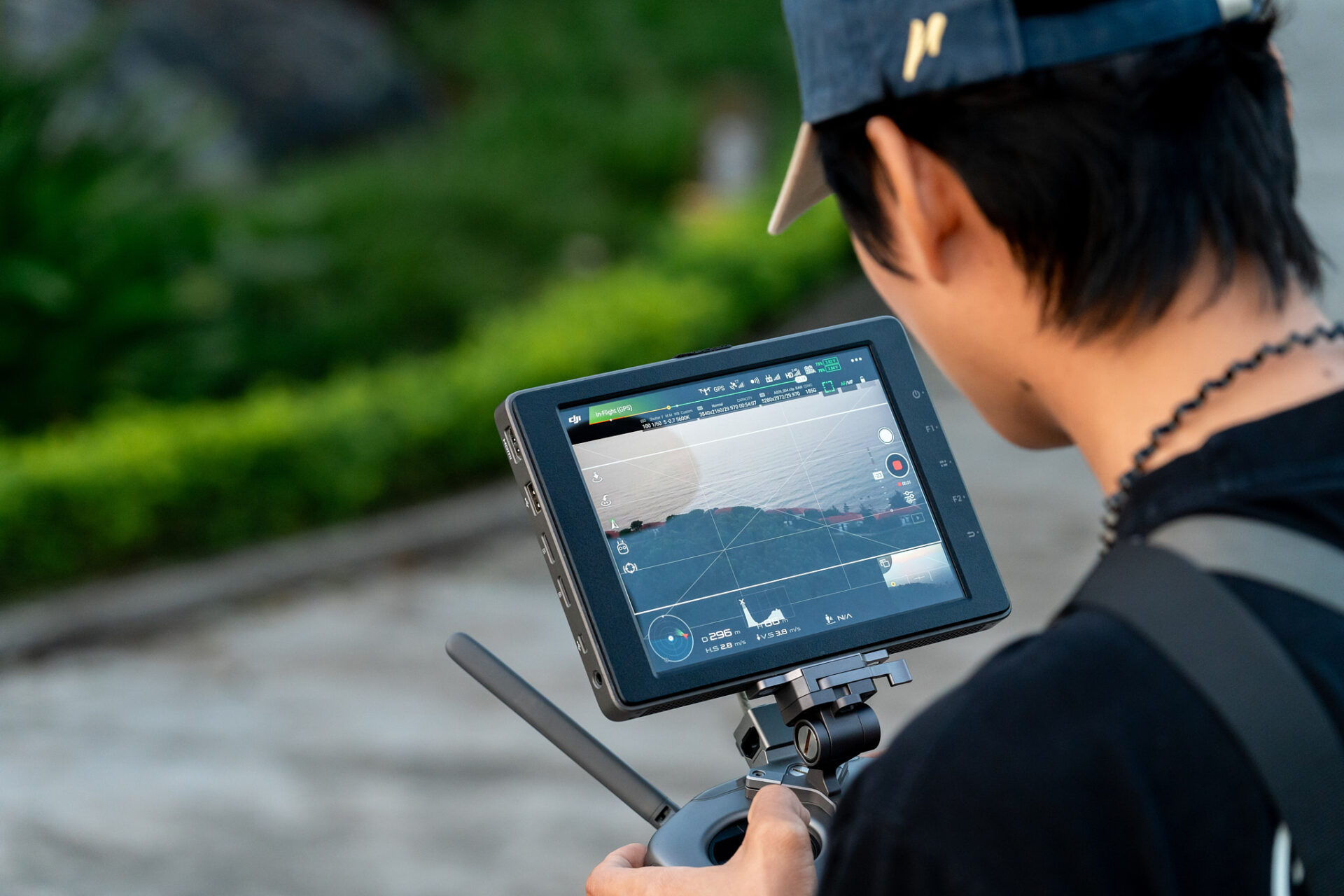
Rough cut and internal review (5 to 7 days)
A first assembly is built so the story, the pacing and the key shots can be judged as a whole before detailed work begins. The rough cut is deliberately ungraded and unmixed. Clients sometimes ask why the draft looks flat, and the honest answer is that restructuring an edit that has already been graded means paying for the same work twice.
Color grading, VFX and sound (5 to 10 days)
Professional color grading, visual effects and the full audio finish: voiceover, music and sound design. This is the phase where the commercial stops looking like footage and starts looking like a brand asset. Our guide to video editing in Da Nang explains the finishing stages in more detail.
Export and handover (1 to 2 days)
The final video is exported in every format the campaign needs: 4K for broadcast TVC, HD for social platforms, and versions cut for outdoor LED screens. All footage and project files are handed back to the client. Ask for the archive master at handover, not two years later when the campaign needs a refresh and the drive has moved on with someone’s laptop.
How long does a TVC take from brief to delivery?
Adding the phases together, a standard commercial runs about four to six weeks from approved brief to final master. Three things stretch that timeline more than anything else:
- Slow approvals. A script waiting three days for a decision moves the delivery date by three days, and it moves the shoot date too if the calendar is tight.
- Feedback given in drips. One consolidated list per review round is one revision pass. Five separate messages are five passes.
- Scope added after the storyboard is locked. A new scene means new casting, new location, new shoot time and new post time, in that order.
What shortens the timeline is less dramatic: a clear brief, one decision maker, and a production company that shoots and edits with the same team so nothing gets lost in a handover.
What drives the cost of a TVC?
There is no fixed price for a commercial, because two thirty second TVCs can carry workloads that differ by multiples. The variables that actually move a quote:
- Shoot days and locations: one controlled studio day is not three days across three districts.
- Crew size and roles: director, DOP, gaffer, sound, art department, assistants.
- Talent: professional actors, models or a known face, plus usage rights and campaign duration.
- Equipment package: camera and lens choice, lighting scale, grip, drone, gimbal.
- Post workload: VFX, motion graphics, licensed music, number of export versions.
Why produce your TVC in Da Nang with CINEFY?
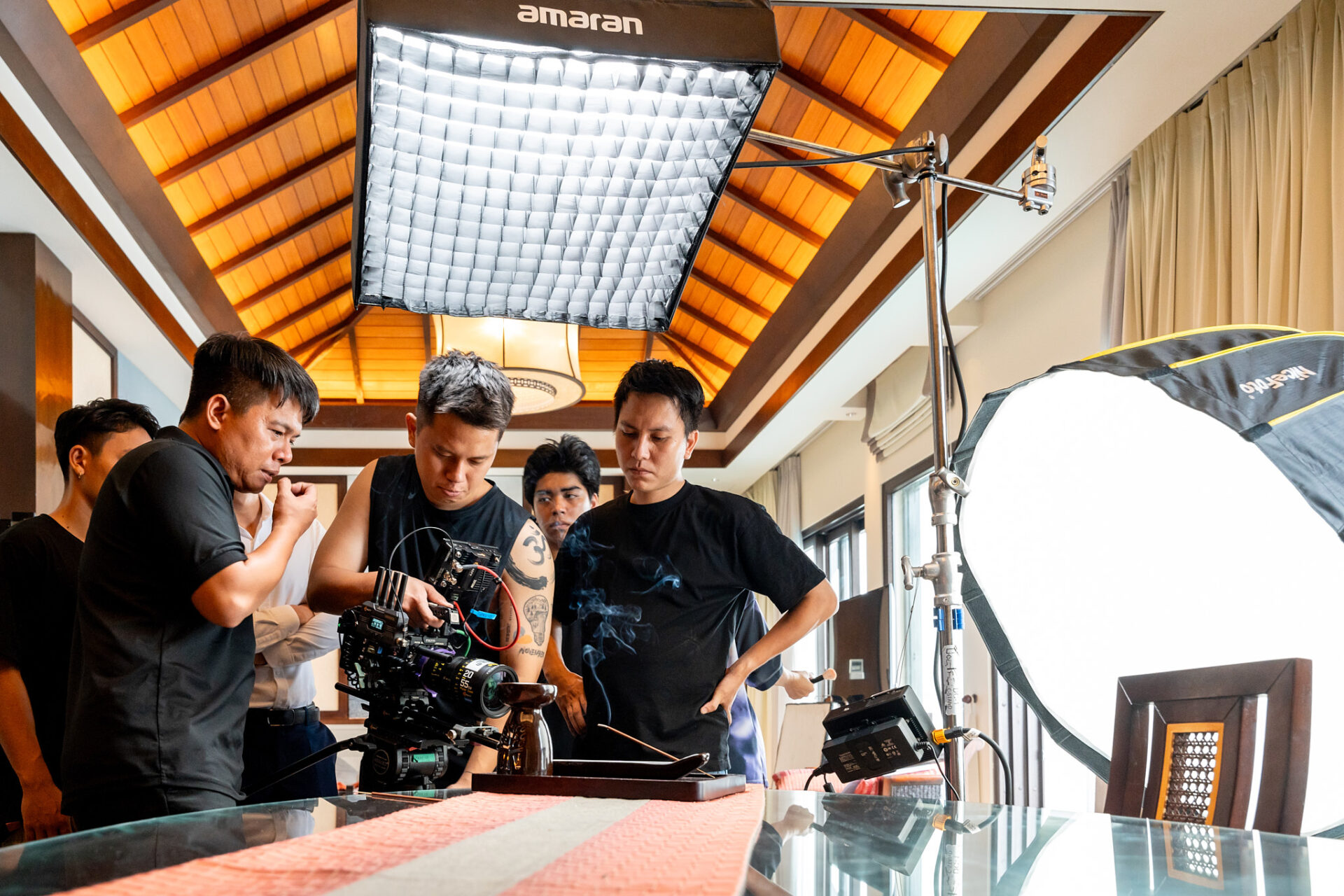
Three things decide whether a TVC production runs smoothly here, and all three are practical rather than promotional.
- A controlled space when you need one. The CINEFY studio in An Hai, Son Tra covers 360m² with a full cinema equipment inventory on site, so a weather day does not become a lost day.
- One team across all three phases. The people who plan the shoot are the people who shoot it and the people who finish it, which removes the blame gap where schedules usually disappear.
- Local knowledge that saves shoot hours. Since 2022 and more than 200 projects, we know which locations need permits, which ones turn hostile at high tide, and where the light is worth waiting for.
If you are still comparing suppliers, our guide to choosing a video production company in Da Nang lists the questions worth asking before you sign anything, and our commercial video production guide covers the formats beyond broadcast TVC.
Planning a TVC in Da Nang?
Send your brief and CINEFY will reply with a production timeline and a line-item quote built around your project.
For exterior days in the hot season, the guide to preventing camera overheating outdoors covers how a schedule bends around the sun.
How long does TVC production take from start to finish?
About four to six weeks for a standard commercial: roughly two weeks of pre-production, one to three shoot days, and two to three weeks of post-production. Projects with heavy VFX, multiple locations or several export versions take longer, and the exact schedule is fixed in the brief before work starts.
What do I need to prepare before the first production meeting?
Your product or service details, the core message, the target audience, the platforms the video will run on, any brand guidelines and logo files, your deadline, and a budget range. With those six things a production company can propose a realistic concept in the first meeting instead of the third.
Can I attend the shoot and request changes on the day?
Yes, and we encourage it. Send someone with decision authority, because approvals given on set keep the schedule intact. Changes within the approved storyboard are usually accommodated the same day. Changes that add a new scene affect the schedule and the quote, so we discuss them before rolling.
How much does a TVC cost in Da Nang?
There is no fixed price. The quote depends on shoot days, locations, crew size, talent and usage rights, the equipment package and the post-production workload. CINEFY sends a line-item breakdown after reviewing your brief so you can see what each element costs.
Do I receive the raw footage as well as the final video?
Yes. At handover you receive the final exports in every format the campaign needs plus all source footage and project files. Store the archive master somewhere your team controls, because the most common reason a campaign refresh gets reshot is that nobody can find the originals.
Last updated: July 31, 2026
Related articles: TVC Production Cost in Da Nang 2026 · Commercial Video Production in Da Nang · Choosing a Video Production Company in Da Nang
Read next: behind the scenes of a TVC shoot at CINEFY Studio
Let’s make something cinematic.
★★★★★ 5.0 · 183 Google reviews · replies within 24h