
JOURNAL · 21/08/2026
Stop Your Camera Overheating on Outdoor Shoots
Cameras shut down on outdoor shoots because of heat. How CINEFY shades cameras on set, the settings that help, and how to plan around Da Nang sun.

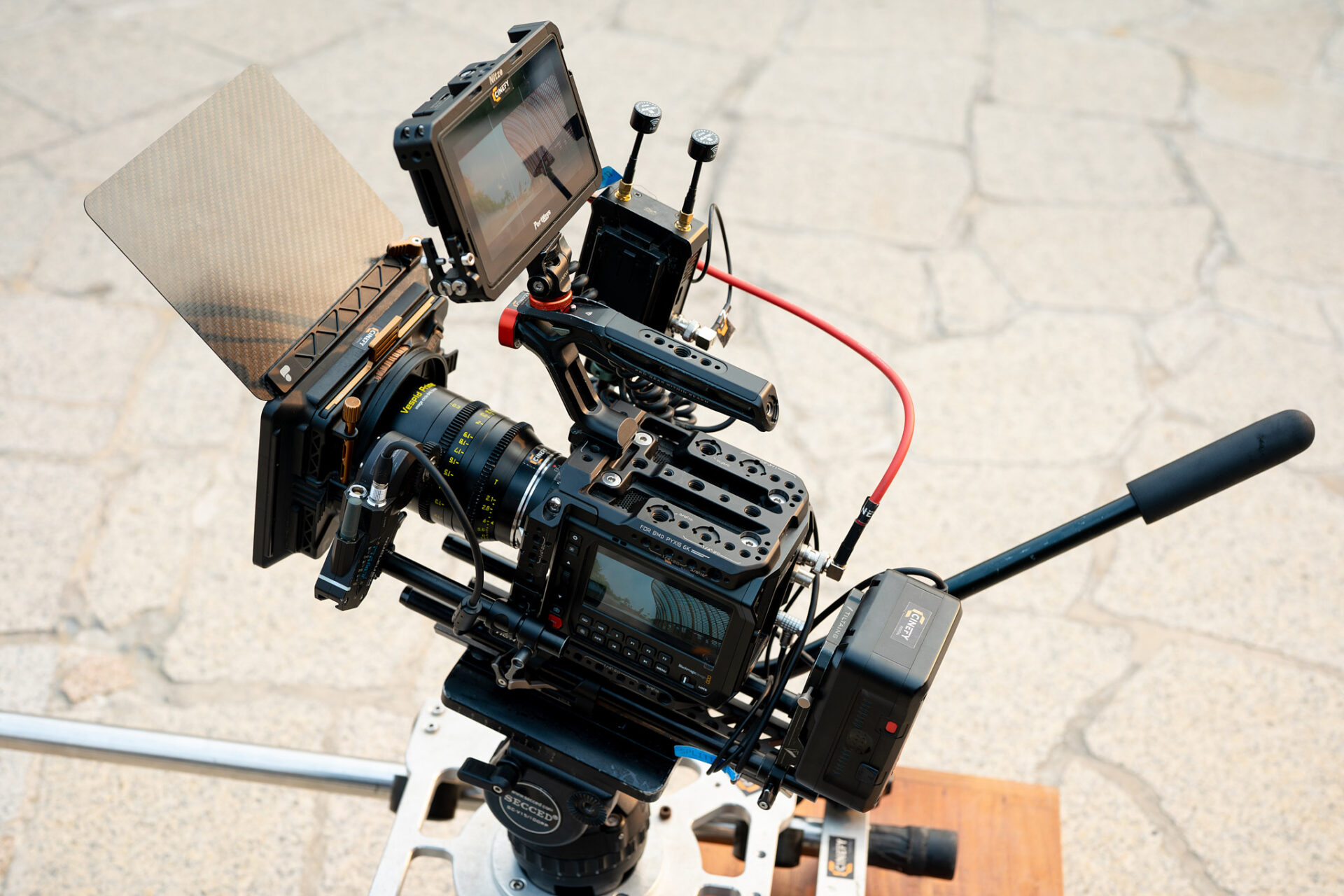
Why do cameras shut down in the sun?
The shutdown is self-protection. Every camera carries an internal temperature sensor, and once the reading passes the limit the manufacturer set, recording stops and the body powers off, no matter where the take was. The heat comes from three directions at once: the sensor and processor working a heavy codec, the battery discharging, and the sun pouring into a black housing that soaks up heat fast.
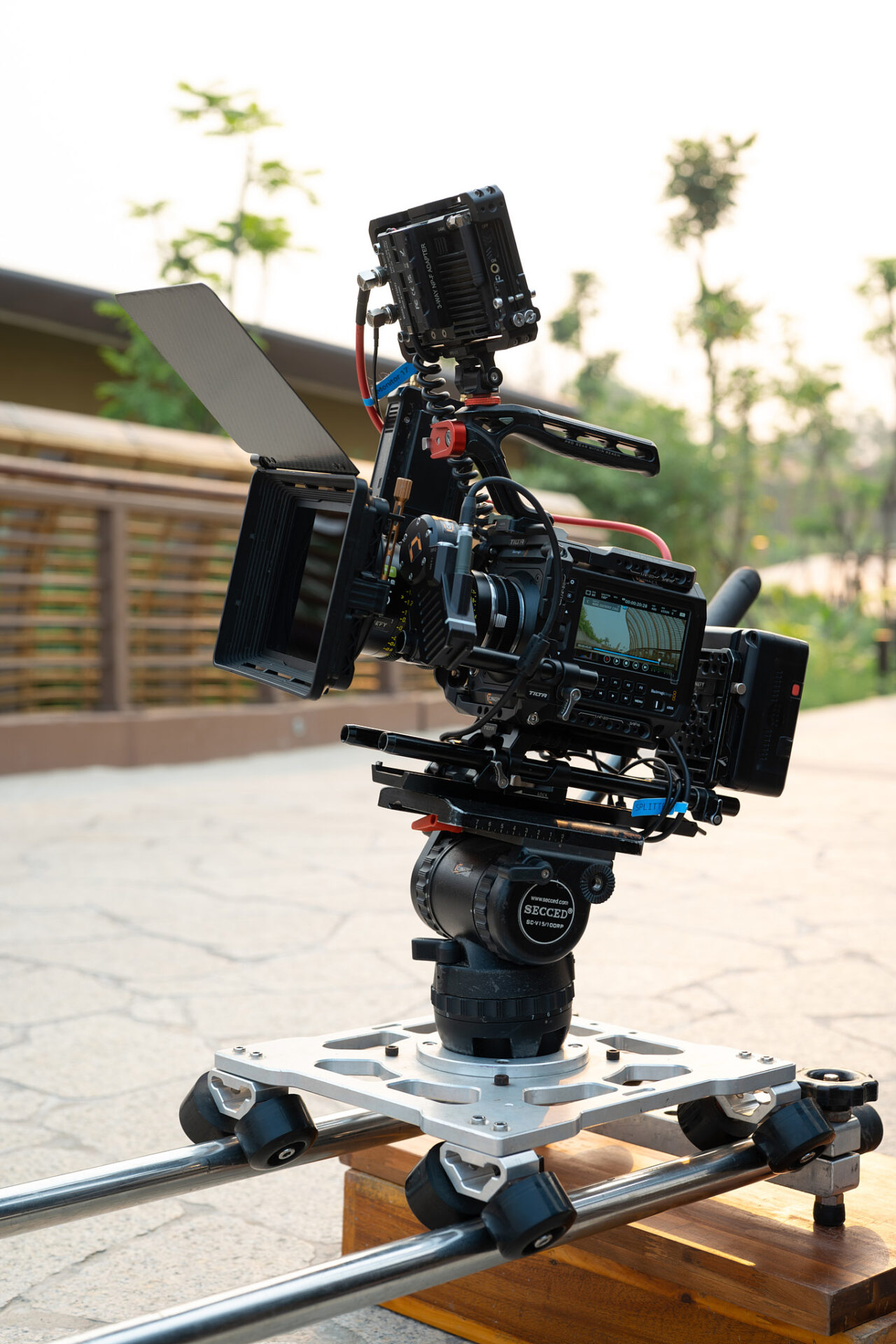
Of the three, direct sun is the one people underestimate. EOSHD documented the Sony a7S III heating up noticeably faster in direct sunlight than in shade with the same recording settings. And in a test by Dan Watson discussed on the DPReview forums, an a7S III stopped after roughly 23 minutes of 4K 60p in summer sun. The exact number moves from body to body and day to day, but the direction is consistent: the same camera has two very different limits standing in the sun and standing in shade.
Which means overheat prevention does not start in the menu. It starts with where the camera stands.
Which settings buy you more recording time?
Three settings are worth checking before any outdoor day: Auto Power OFF Temp set to High, the fan set to Auto on bodies that have one, and high frame rates only where the scene actually needs them. Sony ships its cameras with the conservative temperature limit; High lets the body keep running when it gets hotter than normal.
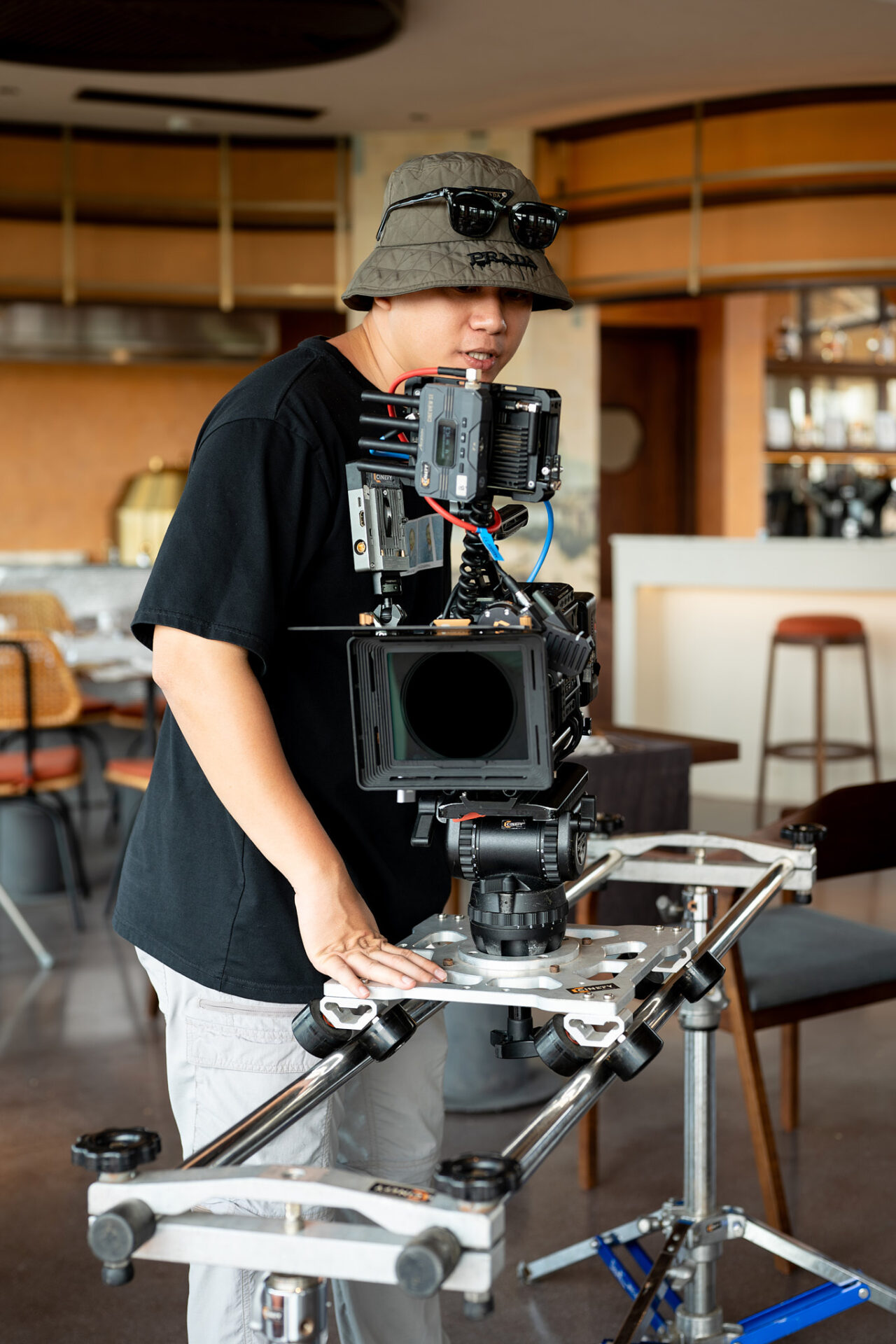
According to Sony’s official help guide for the FX3, checked 21/08/2026, with Auto Power OFF Temp set to High the continuous recording times measured under Sony’s standard conditions are:
| Ambient temperature | Continuous HD | Continuous 4K |
|---|---|---|
| 25 degrees C | approx. 120 minutes | approx. 90 minutes |
| 40 degrees C | approx. 90 minutes | approx. 90 minutes |
Sony measured with a CFexpress Type A card, the monitor open and Wi-Fi off. Direct sun on the body is not part of the test conditions, so expect less in the field.
Two notes come with the High setting. First, Sony itself says to use a tripod and avoid long handheld use, because the housing gets hot enough to cause low-temperature burns over extended contact. Second, do not treat 90 minutes as a promise. Small things help too: switch Wi-Fi off when it is not needed, flip the monitor away from the body so one heat-trapping surface opens up, and drop 4K 60p to 4K 25p on scenes that will never be slowed down, because high frame rates are the heaviest heat load.
How does CINEFY shade cameras on set?
The rule on CINEFY exterior sets: the camera gets its own shade. A flag or an umbrella from the grip package is rigged for the camera itself, separate from the talent’s umbrella, because the two almost never point the same way.
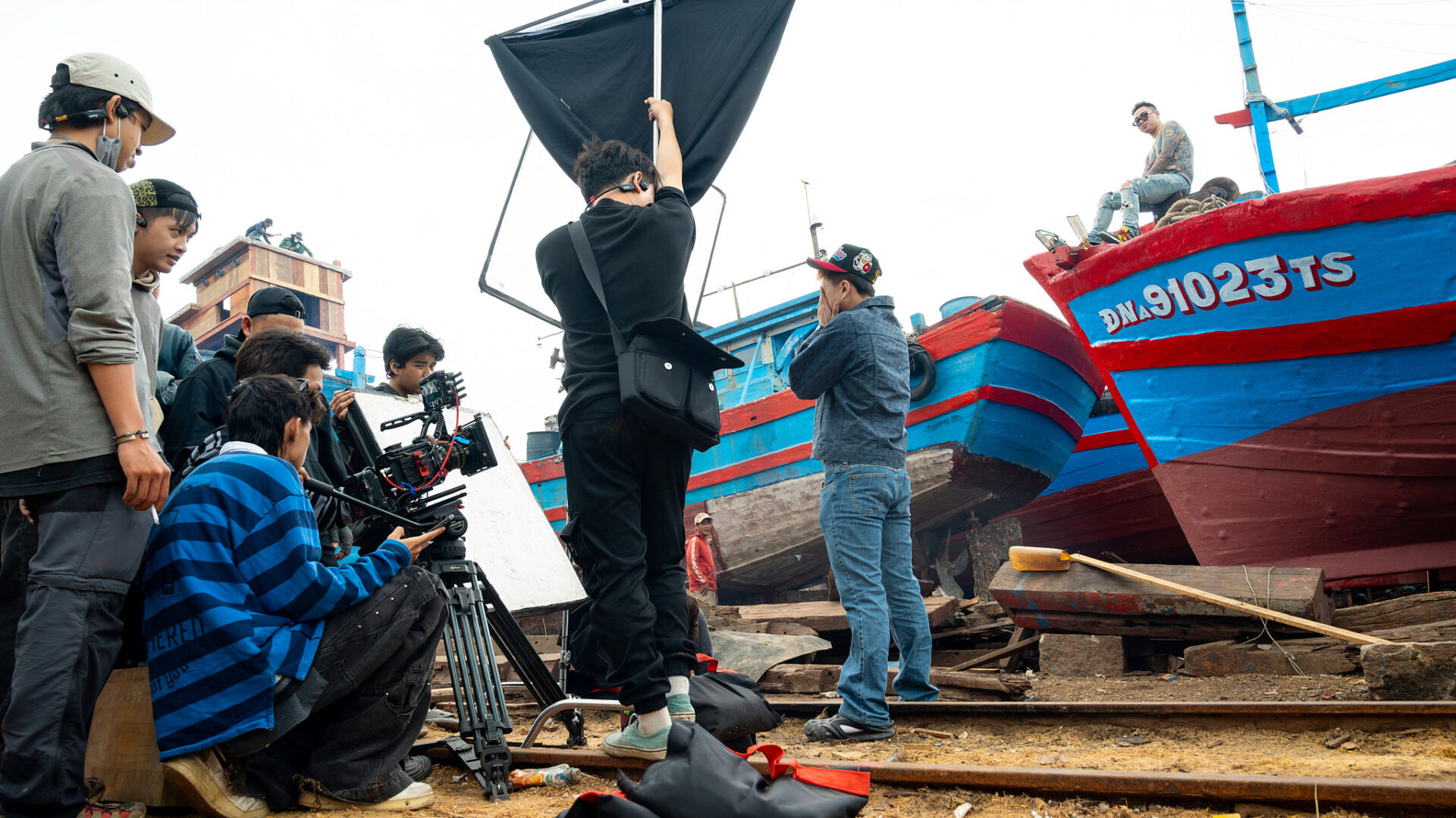
A few small habits travel with that rule, all learned on mid-summer shoots. Between takes the camera does not wait in the sun while the next setup is dressed; it goes to the nearest shade. Spare batteries and cards live in a closed case instead of lying on a table, because a battery that is already hot adds heat to the body the moment it goes in. And when the camera moves between positions, one person walks alongside holding an umbrella over it. On a CINEFY set, the best umbrella does not belong to the director. It belongs to the camera.
Operators can spare the body a lot as well by lowering monitor brightness when the light allows and switching the camera fully off during long resets. For a closer look at how a camera department splits these jobs, see the guide to what a DOP actually does.
Which cameras handle long outdoor days better?
Bodies with active cooling handle long outdoor days better than passively cooled ones. That is why for long exterior work CINEFY usually sends the Sony FX3 with the Sony G Master zoom set instead of a photo-style body: the FX3 has its own intake and exhaust fan built for long takes, while the a7S III looks similar but has to shed heat through its shell.
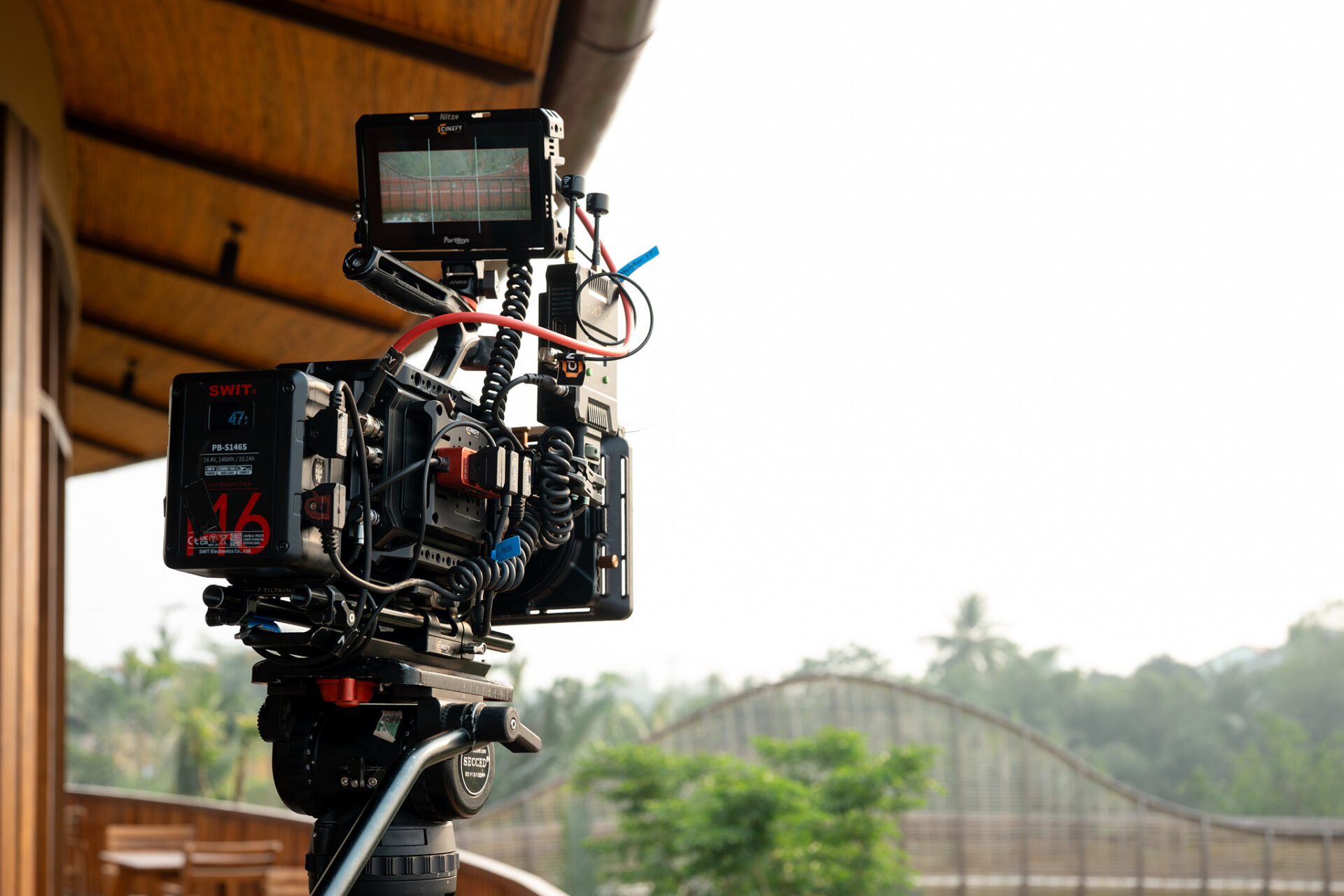
A fan is not a talisman. Every body has a ceiling, and a fan pulling in hot outdoor air can only do so much, which is why shade outranks every setting and every camera generation. The FX30 or A7 V still do fine outdoors on short takes with breaks; the difference shows on long unbroken scenes such as interviews or continuous behind the scenes coverage.
CINEFY’s rental stock carries bodies, flags, stands and grip umbrellas that rent together, picked up at the studio or shipped by arrangement.
How should you schedule a shoot around Da Nang sun?
The cheapest way to beat the sun is not to fight it. CINEFY exterior schedules in Da Nang push outdoor scenes into early morning and late afternoon, when the heat eases and the light is far nicer than the harsh, top-down midday hours.
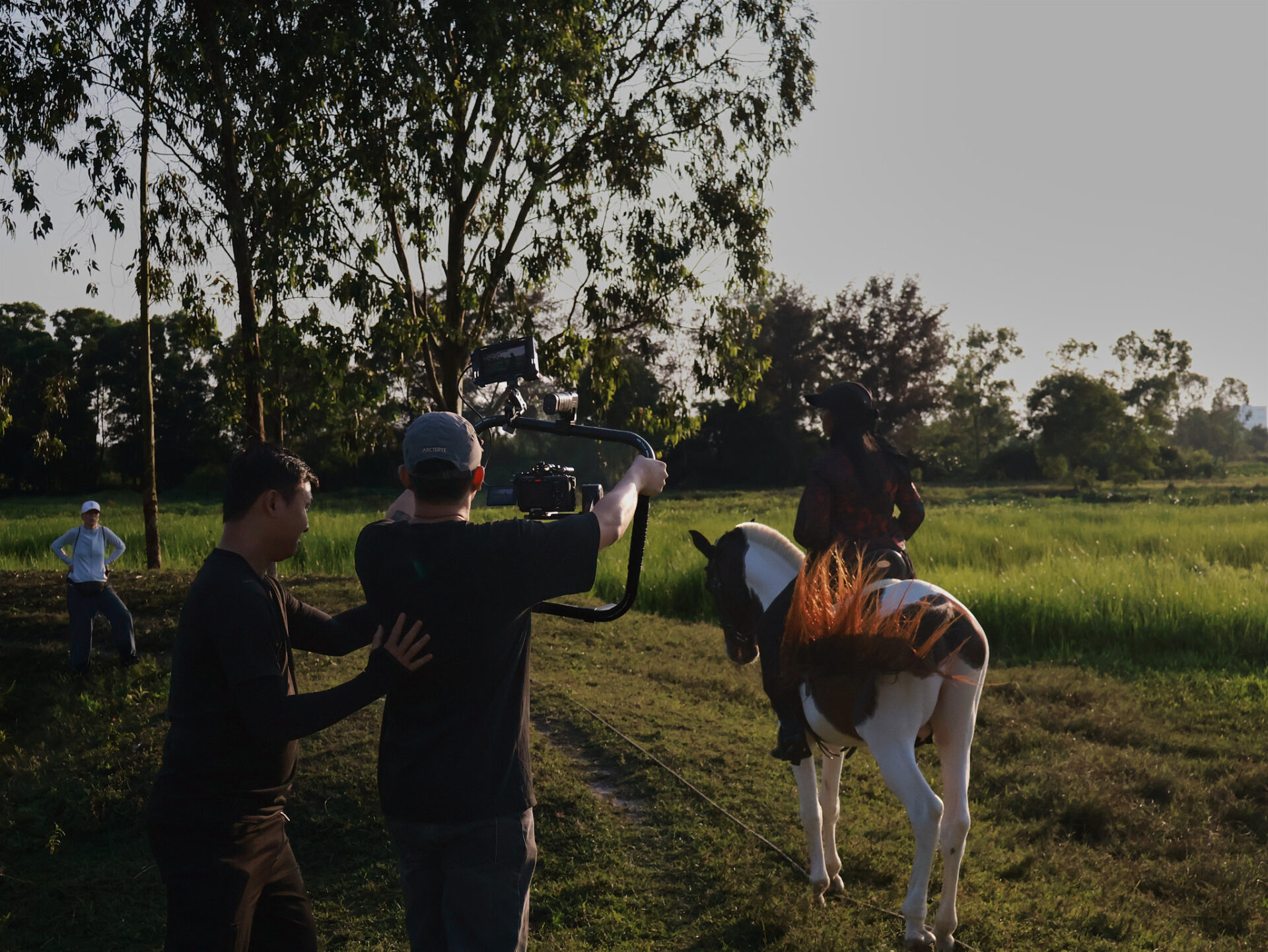
Midday does not go to waste. CINEFY shooting schedules usually carry a few pre-planned shelter scenes, interiors or close-ups that can be shot indoors, so the crew has somewhere to retreat when the sun peaks without burning the schedule. That kind of scene ordering is part of the TVC production process CINEFY runs on full video production projects. The bigger fallback is pulling buildable scenes into the 360m² studio in An Hai, where light and temperature answer to the crew rather than to the weather.
- Auto Power OFF Temp on High, fan on Auto, set the night before.
- A flag or umbrella for the camera packed in the van, on top of the talent’s umbrella.
- Spare batteries and cards in a closed case, never in the sun.
- A few shelter scenes on the schedule for the midday window.
- Water for the crew. A shaded camera is worthless if the people around it drop.
Frequently asked questions
How long can a camera record 4K outdoors before shutting down?With the FX3 set to Auto Power OFF Temp High, Sony quotes roughly 90 minutes of continuous 4K at 40 degrees C ambient, checked 21/08/2026. Direct sun shortens that, while short takes with breaks and a shaded body rarely reach the limit.
Does the High temperature setting damage the camera?It is Sony’s own factory setting, not a workaround. Sony’s only caution is to use a tripod and avoid long handheld use because the housing runs hot in this mode.
Should you cool a hot camera with ice or a cold pack?No. Sudden temperature swings invite condensation inside the body and lens. Move the camera to shade, open the monitor, pull the battery on long breaks and let it cool on its own.
Can harsh sun damage the sensor?Not during normal shooting. The risk is leaving the lens pointed straight at the sun while the camera sits still, because the lens focuses light onto one spot of the sensor. Capping the lens between setups is enough.
What does CINEFY provide for outdoor shoots in Da Nang?CINEFY’s cinema rental stock covers bodies, lenses, flags, stands and grip umbrellas that rent together. Pickup is at the studio in An Hai, or CINEFY ships by arrangement.
Heat is harder to manage on a live event, where you cannot pause. The event filming gear list for Da Nang covers the bodies that hold up through long ceremonies.
Planning an outdoor shoot in Da Nang and want the gear and crew side handled?
Let’s make something cinematic.
★★★★★ 5.0 · 183 Google reviews · replies within 24h