
JOURNAL · 11/08/2026
What Is a DOP? Director of Photography vs Cameraman
DOP stands for Director of Photography, the person who owns lighting, camera and lens choice and framing on a shoot. How the role differs from a cameraman.

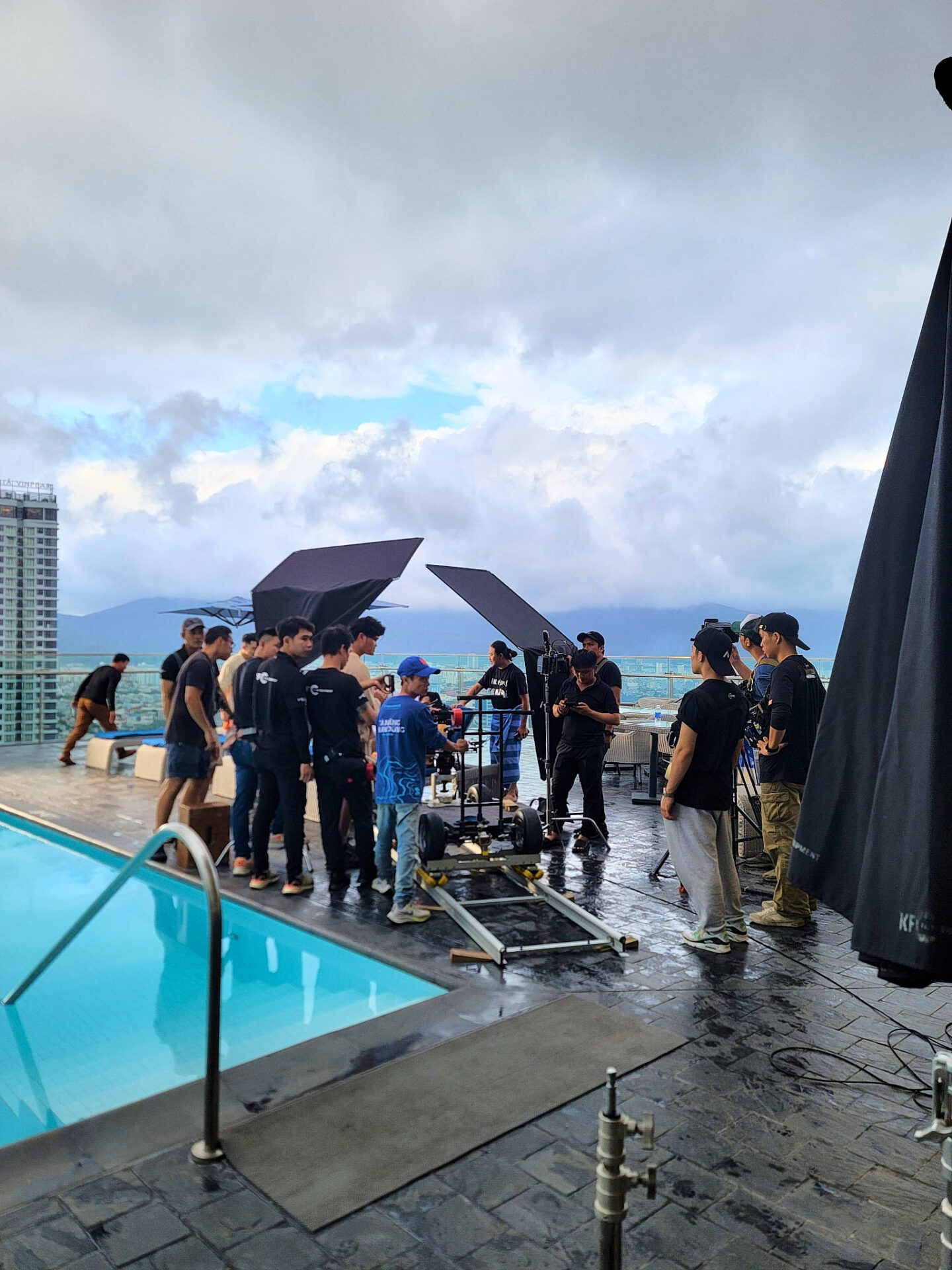
What is a DOP on a film shoot?
A DOP is the head of the image department on a shoot. On call sheets the role appears as DOP or DP, and cinematographer is the same job described by craft rather than by title.
This is a recognised professional title, not a flattering label. The American Society of Cinematographers, founded in Hollywood in 1919 and today counting more than 440 active members, states that membership is “by invitation only, extended to directors of photography” (ASC official about page, checked 11 August 2026). In other words, in the international frame of reference, DOP is the standard name for the person who owns the image, not for the person who operates the camera.
The common misunderstanding is that the DOP is simply the best shooter in the room. In practice a DOP may not touch the camera all day. The job is to decide what the picture looks like and to make sure every department builds that same picture.
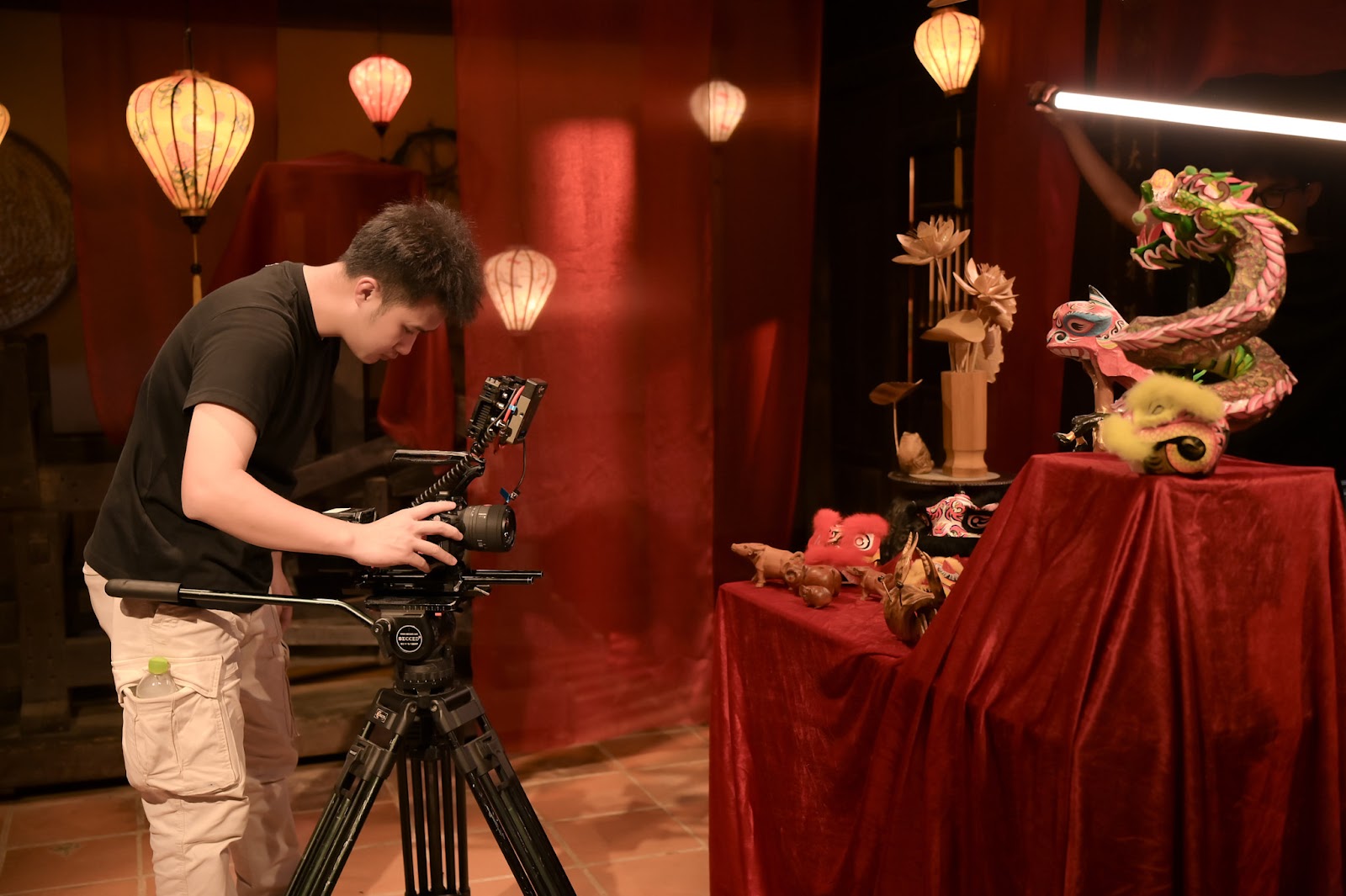
How is a DOP different from a cameraman or a camera operator?
The difference is authority, not skill. The DOP decides the image. The camera operator executes the frame. Cameraman is the informal term, usually for someone who both holds the camera and handles the picture alone on smaller jobs.
| Role | Decides | Does not decide |
|---|---|---|
| DOP (director of photography) | Lighting, camera and lens selection, contrast ratio, colour tone, visual language | Performance, script, overall schedule |
| Camera operator | Holding the frame, pace of the move, tracking action inside the shot | The overall look, the lighting plan |
| 1st AC (focus puller) | Focus, lens changes, condition of bodies and glass | Framing, lighting |
| Gaffer | How the lighting plan gets built, power, fixture placement | The original lighting intent |
| Grip | Support, dollies, rails, flags, rigging safety | What is inside the frame |
On a lean shoot one person can carry several of these hats. The problem only appears as the job grows: with three locations in one day and two cameras running, whoever is pulling focus while also thinking about light will drop one of the two. A DoP in Da Nang normally builds the package from the published lighting rental rates before locking a budget.
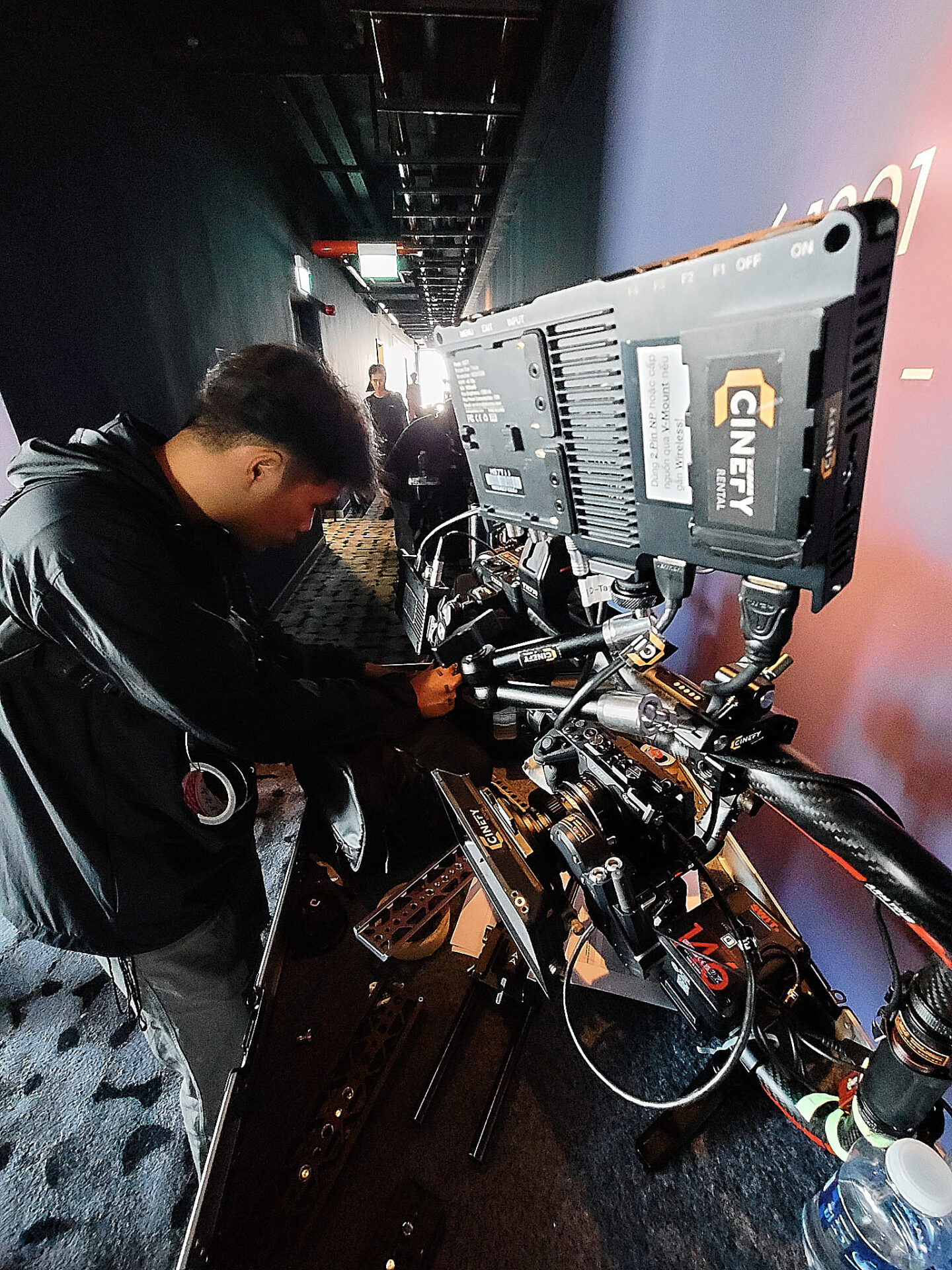
What does a DOP actually decide on set?
The DOP decides everything that shapes what the audience sees: where the key light sits, the ratio between light and shadow, colour temperature, focal length, aperture and therefore depth of field, whether the camera is locked off or moving, and the colour tone handed to post.
Several of these sound technical but are really storytelling calls. Choosing a 35mm or an 85mm for the same line of dialogue gives two different feelings of distance between the character and the viewer. Lowering the contrast ratio softens a scene, raising it tightens the tension.
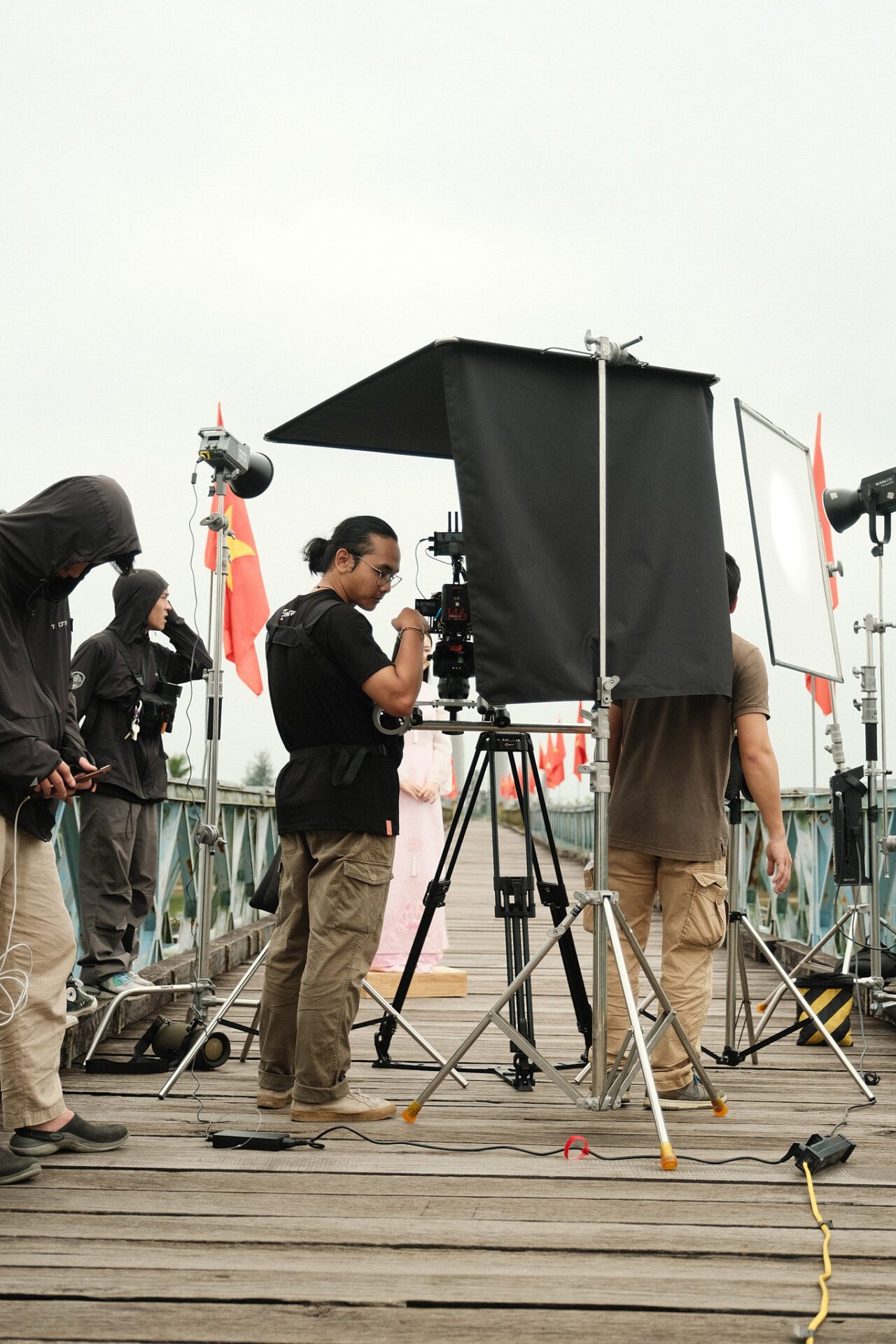
For the lighting diagrams a DOP reaches for most often, the guide to 5 lighting setups every video creator should know walks through each one and when it applies.
When does a project genuinely need its own DOP?
A dedicated DOP is needed when the project runs more than one camera, moves between locations inside a single day, has talent who have to perform, or has to match visually across separate shoot days. It is not needed for a single camera talking head session in a studio where the lighting is already built and the content is a person speaking to the lens.
The real line is how many decisions land at once. A product shoot on a table with fixed lighting is something an operator handles alone. A commercial shot over two days in two locations, where day two has to match day one, needs one person holding the visual memory of the whole project. That is the DOP.
CINEFY has been running since 2022 and has gone through more than 200 projects, most of them in the middle band: big enough to need someone owning the picture, not big enough to justify a ten person camera department. The answer is controlled role merging, written down so everyone knows who owns what, as laid out in the TVC production process.
What is the minimum camera team for a shoot in Da Nang?
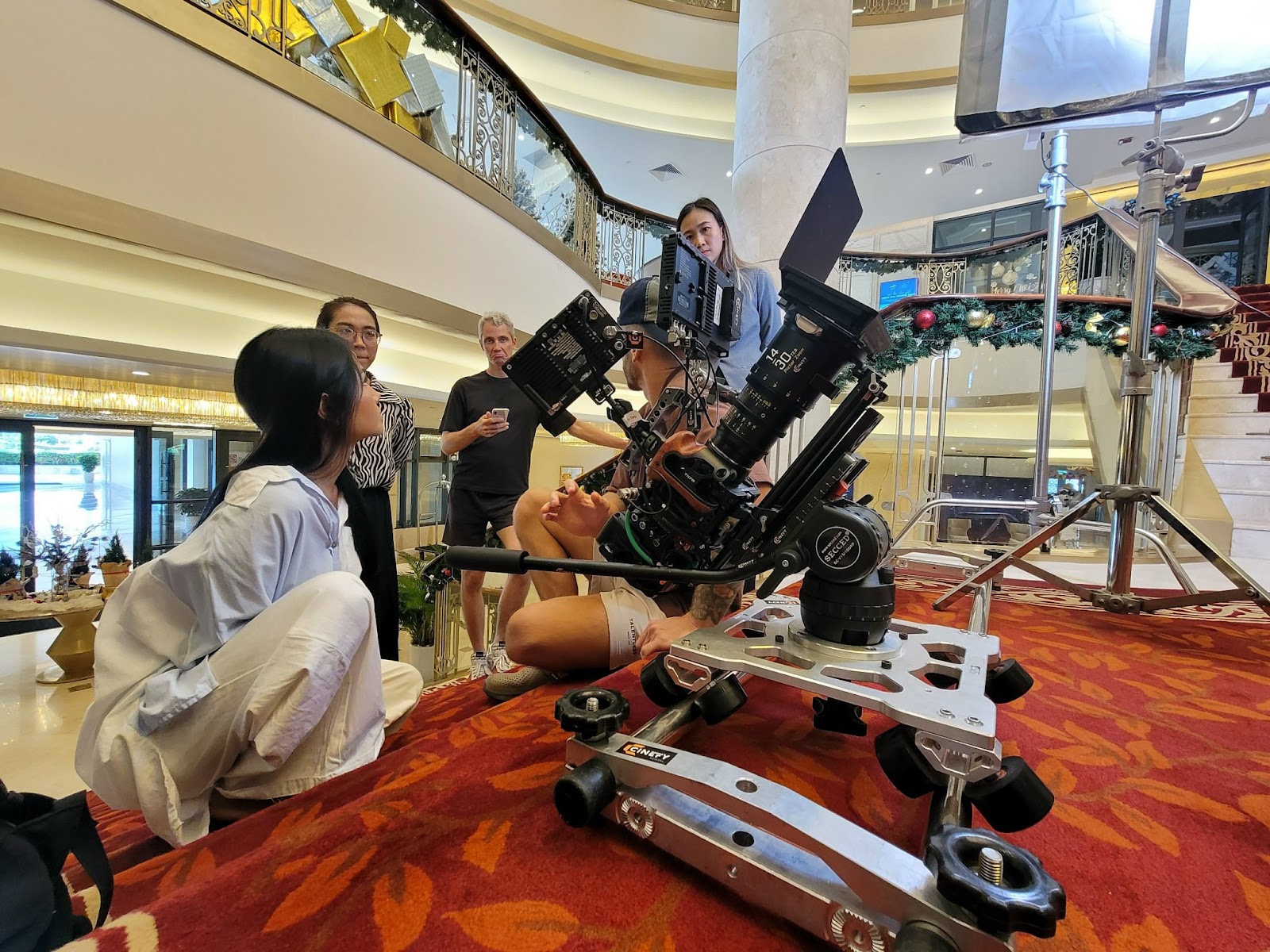
Three people: a DOP, an operator who also handles the camera assist work, and a gaffer. From two cameras upward the focus puller becomes a separate role, because pulling focus on fast glass is not a job that can be done halfway.
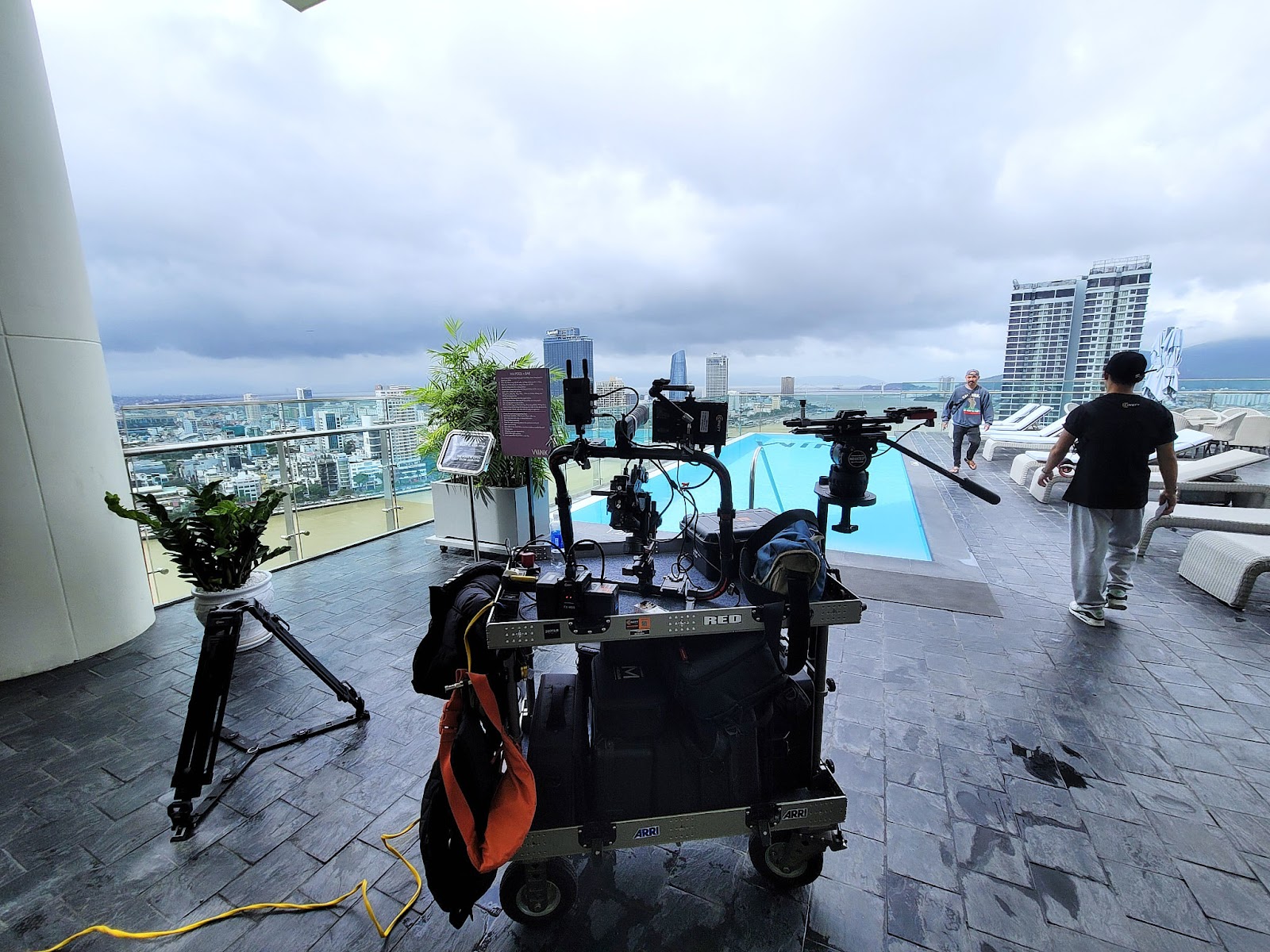
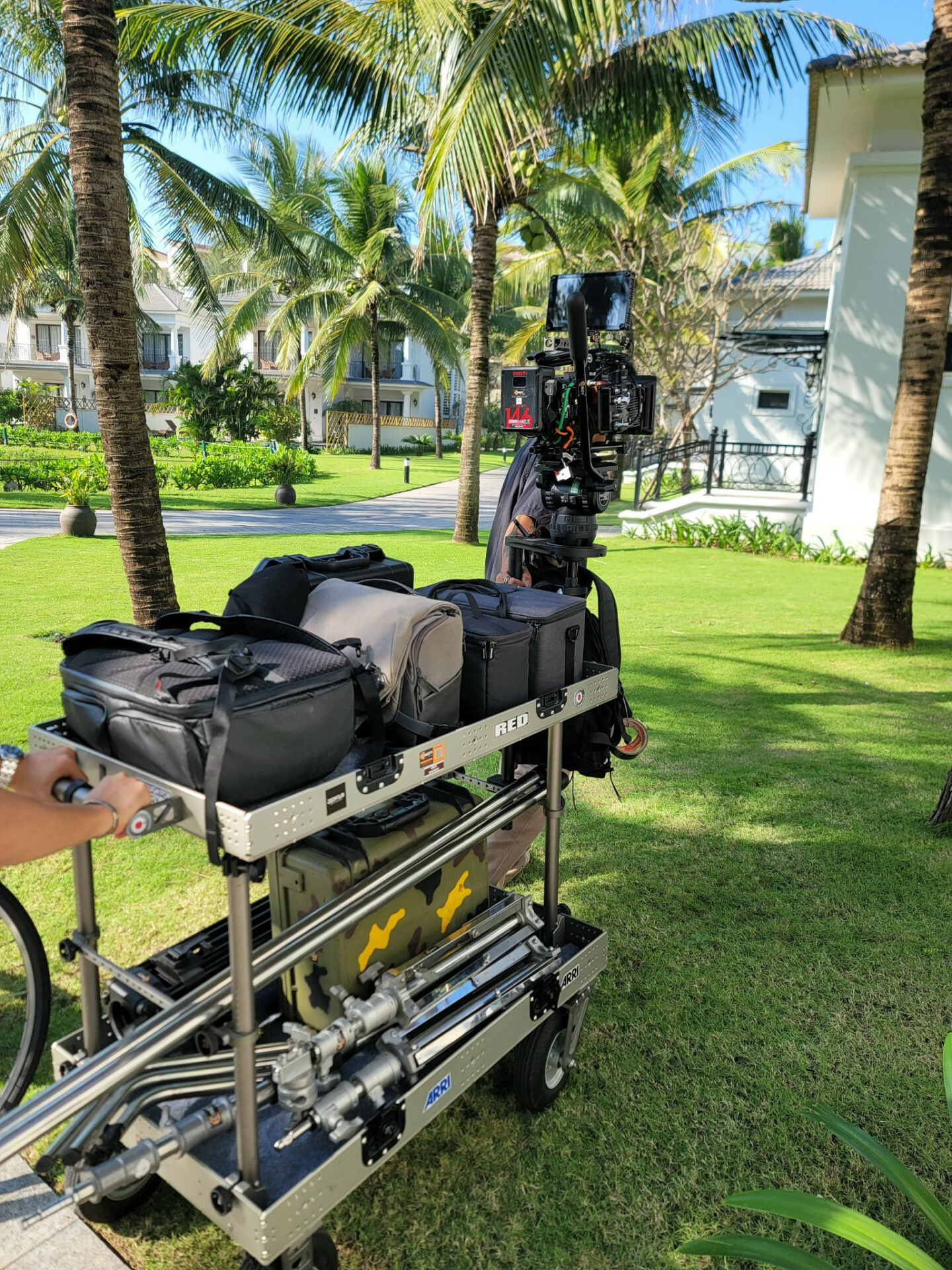
On equipment, most CINEFY shoots run on Sony FX3 and Sony FX30 bodies with Sony G Master glass, plus tripods, an on set monitor and a lighting package with diffusion frames. The fuller inventory sits in the complete film equipment checklist.
Da Nang adds two variables other cities do not. The first is the hard midday sun, strong enough to ruin an exterior without flags and diffusion on hand. The second is salt in the air: after a shoot near the beach, glass and contacts get wiped the same day, never left overnight.
How does CINEFY assign a DOP to a shoot?
The process runs in six fixed steps: read the brief, agree the look between director and DOP, build the lighting plan with a lens list, pull equipment against that exact list, scout the location, then shoot. On the day, lights go up first and the camera comes in after.
There is one small step CINEFY does not skip: about an hour before talent arrives, the DOP shoots a test on the actual set with the actual lens that will be used, and reviews it on the on set monitor. Not a test from another corner of the room with the result inferred. Walls, floors and even curtain colour bounce differently in every location, and the mistake only shows up inside the frame that will really be shot.
At the end of the day the DOP hands over to post with colour notes, so the editor is not guessing at intent. If a full crew is what the next project needs, the guide on how to hire a film crew in Da Nang lists each role and how the teams get built, while CINEFY video production is where a brief goes to come back as a scope based quote.
Frequently asked questions about the DOP role
Is a DOP the same as a cinematographer?Yes, the same job under two names. DOP and DP are the credit used on call sheets and titles, while cinematographer is the craft term used by professional bodies such as the ASC.
Can one person be both DOP and operator?Yes, and it is very common on small and mid sized jobs. The roles should split once there are two or more cameras, or when a shot needs complex movement while the light still has to be watched continuously.
Does a small project need a DOP?Not necessarily. A single camera talking head session in a studio with the lighting already built needs an operator and a gaffer. A DOP becomes necessary with multiple locations, multiple cameras, or when the picture has to match across shoot days.
Does a DOP bring their own equipment?It depends on the person. Many freelance DOPs carry only favourite lenses and a light meter and rent the rest per project. At CINEFY the gear comes from the in house inventory, so the DOP locks the list first and the equipment team prepares against it.
Can CINEFY supply a DOP to an outside crew?Yes. Plenty of projects arrive with their own director and concept and only need the image side and the equipment covered in Da Nang. Send the brief with shoot dates and intended locations to get a concrete plan back.
Need a DOP and a full camera team for a project in Da Nang?
Let’s make something cinematic.
★★★★★ 5.0 · 183 Google reviews · replies within 24h